

Cover illustration: AI illustration based on a historical photograph. A close architectural study of Pianyan timber-and-plaster walls, tiled roofs and stone bases; no building name, original construction date or public route is established. Scene, terrain and architectural details are approximate; not a current photograph, access confirmation or navigation guide.
Historical reference only; original photograph not republished or licensed for reuse: iChongqing / Photographer not credited
This guide contains four explicitly labeled AI scene illustrations from historical photo references and one original localized planning diagram. Photograph capture dates and current access are not established by the page update dates. No independent review is claimed.
Pianyan Ancient Town in 2026 works as a Beibei riverside outing that remains worthwhile without entering the water. Municipal reporting describes its old streets, trees and recent renewal. Plan one town walk around the Heishuitan River, with a food stop and a confirmed return, treating any water activity as a separate decision.
Save 偏岩古镇 in 北碚区, Beibei District. Pianyan is associated with Jindaoxia town, but a ticket or navigation pin for 金刀峡, Jindao Gorge, is not automatically the correct arrival point for the old town. Keep the ancient-town name attached to every transfer request.
This guide is desk-researched and proposes a dry-land visit. It does not establish current permission to wade, water quality, river depth, lifeguard provision or the operation of recreational equipment.
Make the river the subject, not a requirement to enter it
A Chongqing government summer feature dated 10 July 2026 describes Pianyan beside the Heishuitan River and promotes water recreation. Its photographs and seasonal suggestions explain the town's appeal, but they are not a real-time safety assessment or permission for every future date.
There are at least three ways to enjoy the setting while staying on land: look along the river from an open public crossing, compare how buildings face the bank, and pause under trees at an authorized seating area. None requires reproducing a social-media photograph of furniture standing in the water.
If a water activity is essential to your trip, ask the responsible on-site service whether it is permitted and operating that day, with what boundaries and safeguards. Check local weather and warnings before departure, then follow instructions at the site. A shallow appearance, other visitors entering or a vendor offering equipment does not answer every safety question.
Do not enter a closed section or cross a barrier to reach the river. If permission and conditions are unclear, keep the visit to dry public paths. The old town should be enjoyable on that basis rather than treated as a failed water-play trip.

AI illustration based on a historical photograph. Pianyan flat-deck bridge on stone piers over a small creek; the bridge name and current access are unverified. This is not a high arch or permission to enter the water. Scene, terrain and architectural details are approximate; not a current photograph, access confirmation or navigation guide.
Historical reference only; original photograph not republished or licensed for reuse: iChongqing / Photographer not credited
Choose a route that works for the whole group
The iChongqing attraction profile identifies old streets, stone bridges, an opera stage and Yuwang Temple among Pianyan's heritage elements. Start with two shared priorities, such as a river view and the stage area, then add a short lane section if everyone is comfortable.
Ask for the currently open pedestrian approach before selecting a crossing. A photograph may show stepping stones or a low path, but it does not establish the route available when you arrive. Choose a clearly open, suitable crossing and accept a longer dry route rather than testing an uncertain shortcut.
For children, give the visit a simple observation task: find a doorway, a roof edge and a tree root pattern from public space. That creates a reason to look closely without depending on an attraction ride or river access. Adults can choose a nearby place to sit while keeping the group together.
A pushchair may help on one section and become awkward at thresholds or steps. Ask about the complete route from drop-off to the intended stop and toilets. A small town is not necessarily a fully accessible town, and this research did not verify a continuous step-free circuit.
Understand the renewal before calling the town untouched
A municipal housing-and-urban-development report dated 8 May 2025 explains that the Pianyan old-street renewal project began in September 2023. It describes structural strengthening, preservation of the street pattern and treatments intended to make new walls blend with older surfaces.
That matters when reading what you see. A weathered-looking wall may be repaired or deliberately finished to harmonize with its neighbors. A street can retain an important historic layout while individual buildings contain substantial recent work. “Old town” should not become a claim that every visible board and brick is original.
Try a two-part architectural observation: first notice the overall line of the street, then look at a single junction between materials. A repair can be part of the town's continuing life rather than something to crop out of a photograph. Do not enter a work area or test a building's condition yourself.
The report's discussion of pre-project structural problems is also historical. It does not mean all buildings remain unsafe, and the fact that work occurred does not certify every building as safe today. Follow current access controls instead of drawing a blanket conclusion from either side of that story.

AI illustration based on a historical photograph. Pianyan leafy canopy, wooden balconies and a narrow stair; the stair is not verified as a currently open public route. Scene, terrain and architectural details are approximate; not a current photograph, access confirmation or navigation guide.
Historical reference only; original photograph not republished or licensed for reuse: iChongqing / Photographer not credited
Give the stage and temple more than a passing glance
A China Weather Chongqing feature dated 25 August 2017 identifies Yuwang Temple and the Wanniantai theatre, and records rebuilding or repair in 2003 and 2004. It is an old description, but it helps distinguish a place's historical association from the age of all its present fabric.
At the stage, if the public approach is open, look at the relationship between performance space and the area where an audience could gather. At the temple, read the current panel before attaching a date or function to a particular room. These two stops can make the walk about community space as well as scenic water.
Do not assume a daily performance simply because the source discusses festival drama. A current event needs a current programme. If a show is your priority, ask for the venue and timing before adjusting the rest of your day around it.
The 2017 feature also contains a traveler-style narrative and old transport prices. Those have not been converted into this guide's experience or present-day advice. A later visitor should expect to check routes and businesses again rather than inherit that writer's journey unchanged.
Decide whether you want a market visit
The municipal planning bureau's Beibei market-map article, displayed as 8 April 2025, describes Pianyan's market rhythm using “147” days. This is a useful lead, but the article alone does not settle the exact calendar interpretation, holiday changes or the activity you will find on your chosen date.
If the market is important, ask a local visitor service to confirm the next market day and where it takes place. Do not turn the shorthand into an unverified calendar rule. If you prefer more room to photograph buildings, ask how that specific day affects the street rather than assuming every weekday is quiet.
When browsing, leave enough space for residents carrying groceries and sellers moving stock. Request permission before photographing a stallholder closely. Agree on a price and quantity before a purchase, and check whether a food item is ready to eat or needs preparation.
A market can make a heritage visit richer by showing present use of the street. It is not scenery arranged for visitors, so a useful photograph or sketch should work around the people who are there to shop and work.

AI illustration based on a historical photograph. Large tree roots beside Pianyan timber buildings; no species, tree age or protected-tree identity is established. This is setting context, not a verified theatre or Yuwang Temple. Scene, terrain and architectural details are approximate; not a current photograph, access confirmation or navigation guide.
Historical reference only; original photograph not republished or licensed for reuse: iChongqing / Photographer not credited
Choose a meal that does not depend on river seating
The iChongqing profile mentions douhua and rib dishes as local food leads. Ask what the kitchen is serving rather than expecting an identical dish from every business. A clearly priced meal on dry land can give the outing a comfortable center regardless of river conditions.
Before sitting, clarify two things: whether the table itself carries a charge and what food or drinks that payment includes. This is especially useful wherever seating is promoted as an experience. If a riverside location does not suit the conditions or your companions, choose another table instead of paying to recreate a photograph.
Check ingredients directly for allergies or dietary restrictions. “Tofu” does not establish the contents of a sauce or broth. A translation app can help pose the question, but ask the person responsible for preparation rather than relying only on a translated menu heading.
For a family, order in stages if portions are uncertain. A modest lunch and a flexible break can leave more room for the town itself than a long meal selected only because it looked dramatic online.
Photograph the trees without turning them into equipment
The May 2025 renewal report highlights Pianyan's old huangjue trees beside the river. They are useful visual anchors for a sequence of three different pictures: a wider setting, a tree-and-building relationship, and a small detail seen from a permitted path.
Keep feet and equipment off exposed roots where access is restricted. Do not climb a tree, tie props to it or move barriers to frame a shot. Choose a viewpoint that does not make others step into a roadway or toward the water to pass you.
A photo taken in one season cannot establish river conditions in another. Include the capture date when the image is used as practical travel information. Avoid describing green shade, clear water or empty paths as guarantees; light, weather, maintenance and visitor numbers can all change the scene.
Plan the return before combining Pianyan with Jindao Gorge
The 2017 China Weather feature locates Pianyan in Jindaoxia town, Beibei, while the tourism profile describes its relationship with Jindao Gorge. These are geographic references, not evidence of a current connecting service; neither source's old transport instructions are used as a timetable here. Treat the old town and the gorge as two separate destinations until their entrances, connecting transport and operating conditions are confirmed.
A town-focused outing can stand alone. If you add the gorge, check what that second visit involves, how it changes your departure time and where you will finish. Do not assume that an arrival near one end of a scenic area solves the return from another exit.
For Pianyan itself, save the arrival and pickup pins in Chinese. Confirm the actual public-transport stop or a legal place for your driver to wait. The navigation guide explains broader pin checks, while the family-trip guide helps with preparing a flexible day.
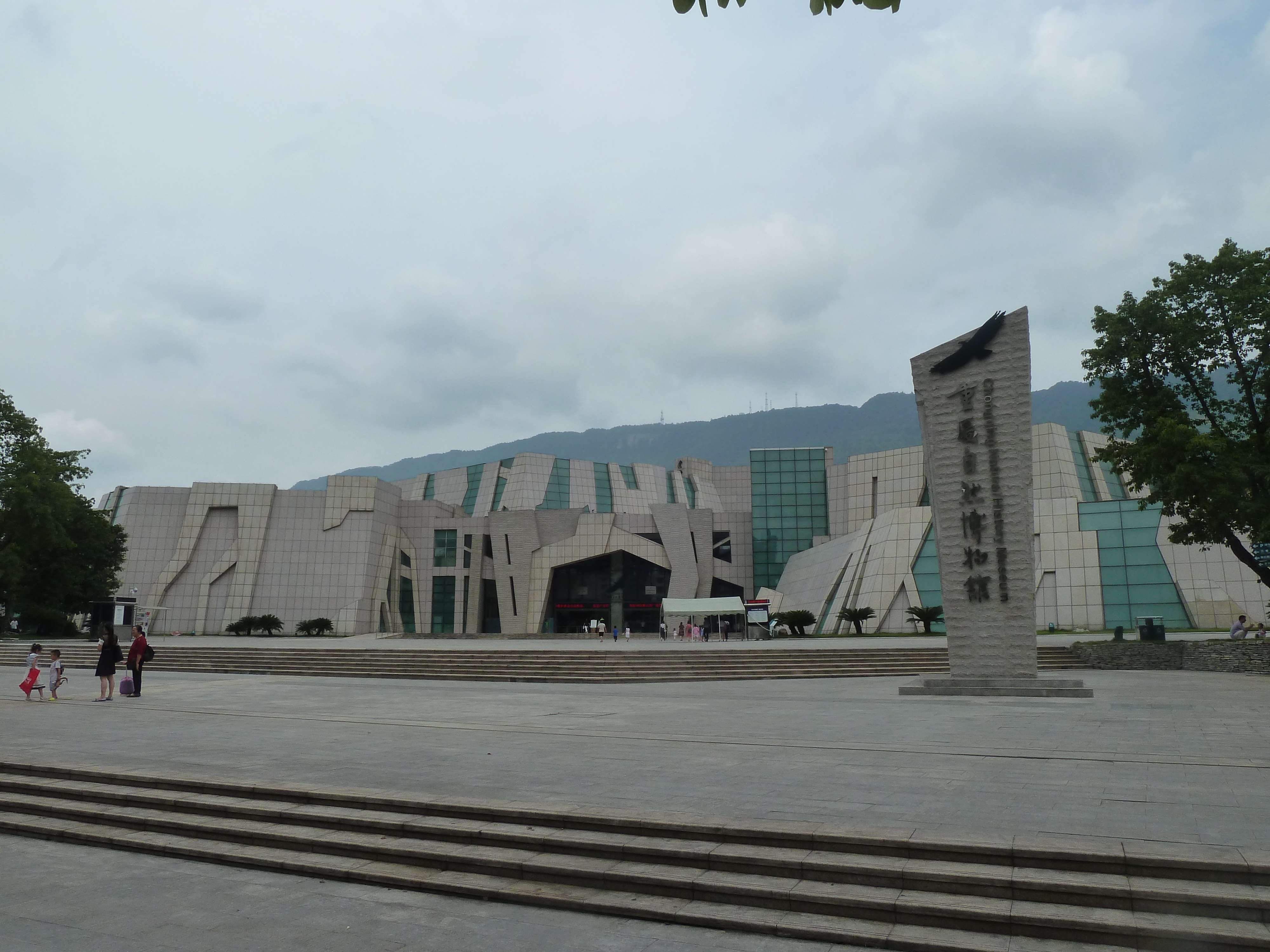
If conditions are uncomfortable, shorten the walk while preserving the return margin. A different Beibei outing, such as the subject of the Natural History Museum guide, needs its own opening and admission check; it is not an automatic same-day substitute.

Original planning card; all labels also appear as selectable text below. Planning questions only. Confirm current access and return transport; this is not a route map.
Original editorial planning diagram based on this article; not a photograph or geographic map.
Plan a dry visit to Pianyan
Visit plan:
- Choose an open dry route that works for the whole group.
- Observe trees and the creek without entering the water.
Check before leaving:
- Check weather, water conditions and current barriers.
- Choose a meal with seating away from the water.
- Confirm the return before adding Jindao Gorge.
Planning questions only. Confirm current access and return transport; this is not a route map.
About This Guide
Sources were read on 1 October 2026: municipal reports and mapping features, a dated China Weather heritage account and an English tourism profile. The suggested dry-land route is editorial synthesis, without a field visit or human review. Confirm current weather, access, activities and transport separately; an old photograph or summer promotion is not operational permission.
Frequently Asked Questions
Q: Can I visit Pianyan without playing in the river? A: Yes. This suggested Pianyan visit focuses on dry public paths, river views, old streets, the stage area and a food stop.
Q: Is wading allowed and safe every day? A: No blanket permission or safety assurance was established. Check current Pianyan restrictions, weather and the responsible on-site service, and stay out when uncertain.
Q: Is Pianyan the same attraction as Jindao Gorge? A: No. Pianyan Ancient Town and Jindao Gorge require their own destination pins, access checks and transport arrangements.
Q: Has the old town been restored? A: Municipal reporting describes a renewal project launched in September 2023. The historic street pattern and individual building fabric should not be treated as identical kinds of evidence.
Q: Which day is the market? A: A 2025 municipal article uses the shorthand “147” for Pianyan. Confirm the next actual market date locally instead of assuming the calendar rule or holiday arrangements.
Traveler comments
Share a recent experience or ask a practical question about this guide.