
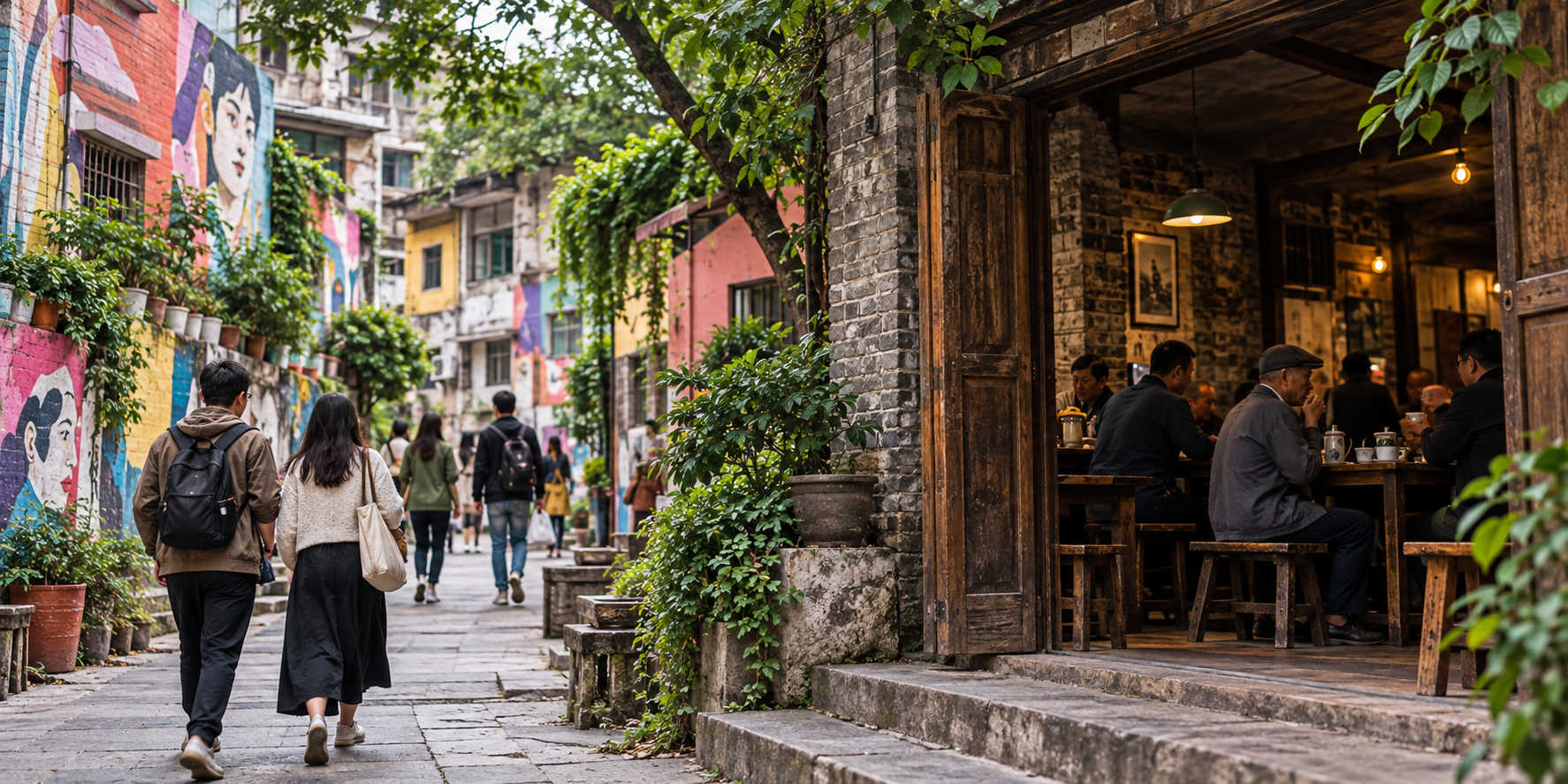
For Huangjueping Graffiti Street and Jiaotong Teahouse in 2026, plan a flexible half-day in Chongqing's Jiulongpo District. Local tourism reporting describes a 1.25 km art corridor. I would combine a comfortable section of the street with tea, confirm the current transport approach, and respect residents rather than build the visit around one mural.
Who This Outing Fits
Good for: street-art photography, art-school atmosphere, a slower tea break and repeat visitors. Less suitable: someone with only 2 hours between major Yuzhong sights, heavy luggage, a need for guaranteed step-free access, or a plan dependent on one particular mural. The iChongqing attraction page locates the corridor in Jiulongpo near the old Sichuan Fine Arts Institute campus and Jiaotong Teahouse; murals and small-business details can change.

I would plan it as a half-day, including the trip in and out, rather than promising a precise walking duration. Jiulongpo is not an add-on to a packed Jiefangbei/Hongya Cave night. Give it space, or save it for another day.
Arrive by the Area, Not a Single Photo Pin
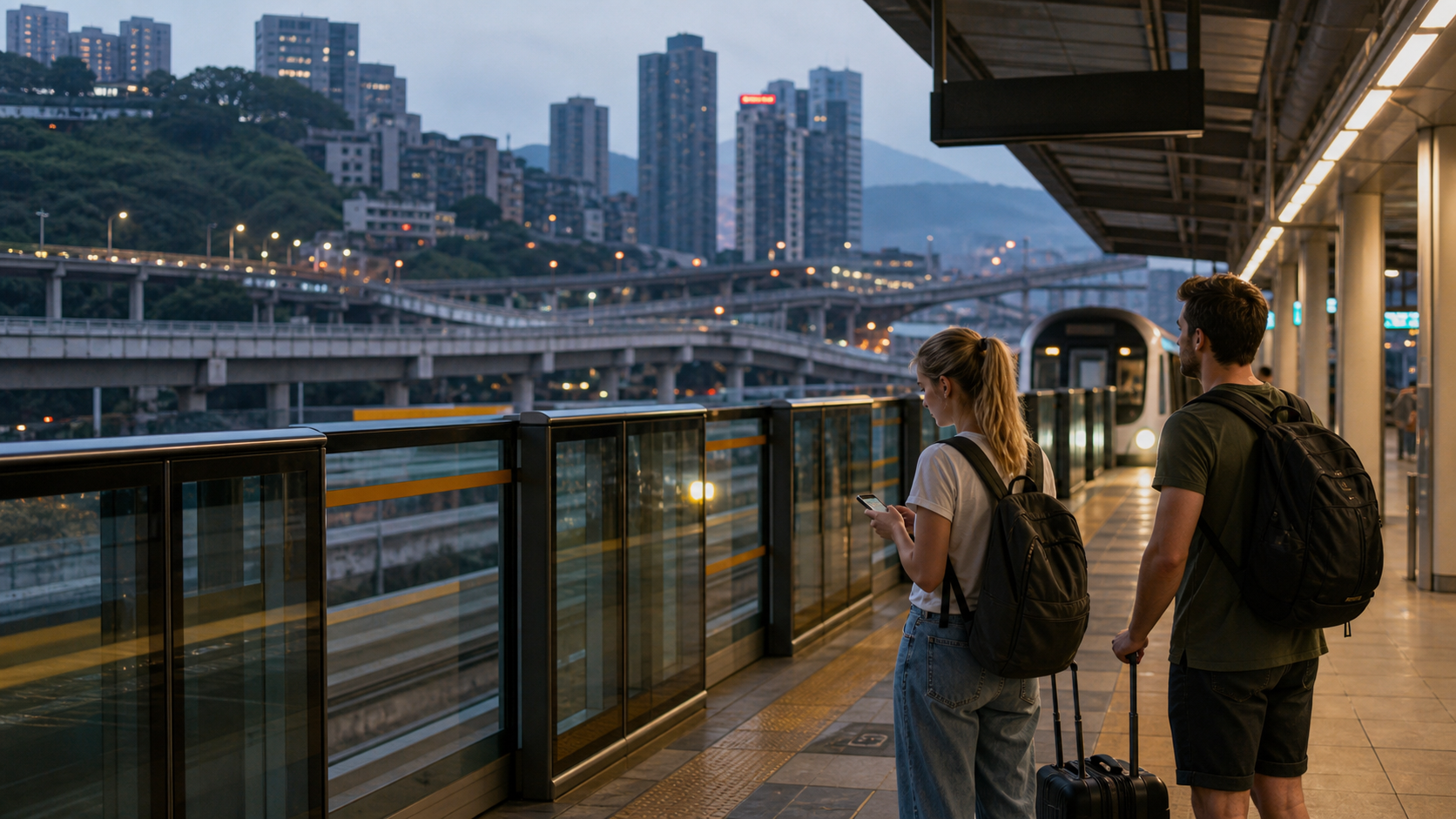
Save 黄桷坪涂鸦艺术街 for the art street and 交通茶馆 for the teahouse. Recent Trip.com visitor posts discuss Line 18 and the Sichuan Fine Arts Institute area, but travel posts can use different station names and exits. I would compare the current metro app route against both Chinese destinations, then ask staff which exit avoids an unnecessary road crossing. The metro guide explains why exit selection matters in Chongqing.
If a taxi is simpler for your group, show the Chinese street name and set the drop-off on the public street, not a resident's doorway. On the way out, wait where a car can stop legally; a narrow art-street curb is not automatically a pickup zone. Budget one transfer buffer rather than trying to time a tea visit to the minute.
Walk the Street Without Treating Homes as Scenery
The painted facades are part of a lived-in neighborhood. People shop, carry groceries and use the same entrances that appear in travel photographs. I would take my first wide picture from across a clear pavement, then put the camera away while passing windows or open doors. Do not enter stairwells, block a shop, or photograph an identifiable resident without asking. A local visitor guide connects the street with nearby art spaces, but does not establish public access to every corner.

Do not plan around one online mural. The useful part of the walk is the changing relationship between paint, older residential buildings and ordinary life. In warm weather, carry water and pause in shade. In rain, painted surfaces and paving can be slick; shorten the route if footing feels poor.
Jiaotong Teahouse: Tea, Not a Performance
The nearby Jiaotong Teahouse is the natural pause, not a guaranteed staged “old Chongqing” show. I would enter, look for a seat staff indicate, order tea, and give existing customers space. A plain 盖碗茶 is a covered-bowl tea; if you are unsure about ordering or payment, ask before sitting for a long session. The iChongqing guide identifies the teahouse as part of the Huangjueping visit, but it does not establish today's seat availability, service price or closing time.

Some images online frame the room as an empty film set. Real teahouses are shared spaces. Keep voices low, do not move furniture for a shot, and ask before aiming a camera at someone drinking tea. If the room is busy, having one cup and leaving gracefully is a better visit than forcing the “perfect” photo.
A Practical Half-Day and Exit Decision
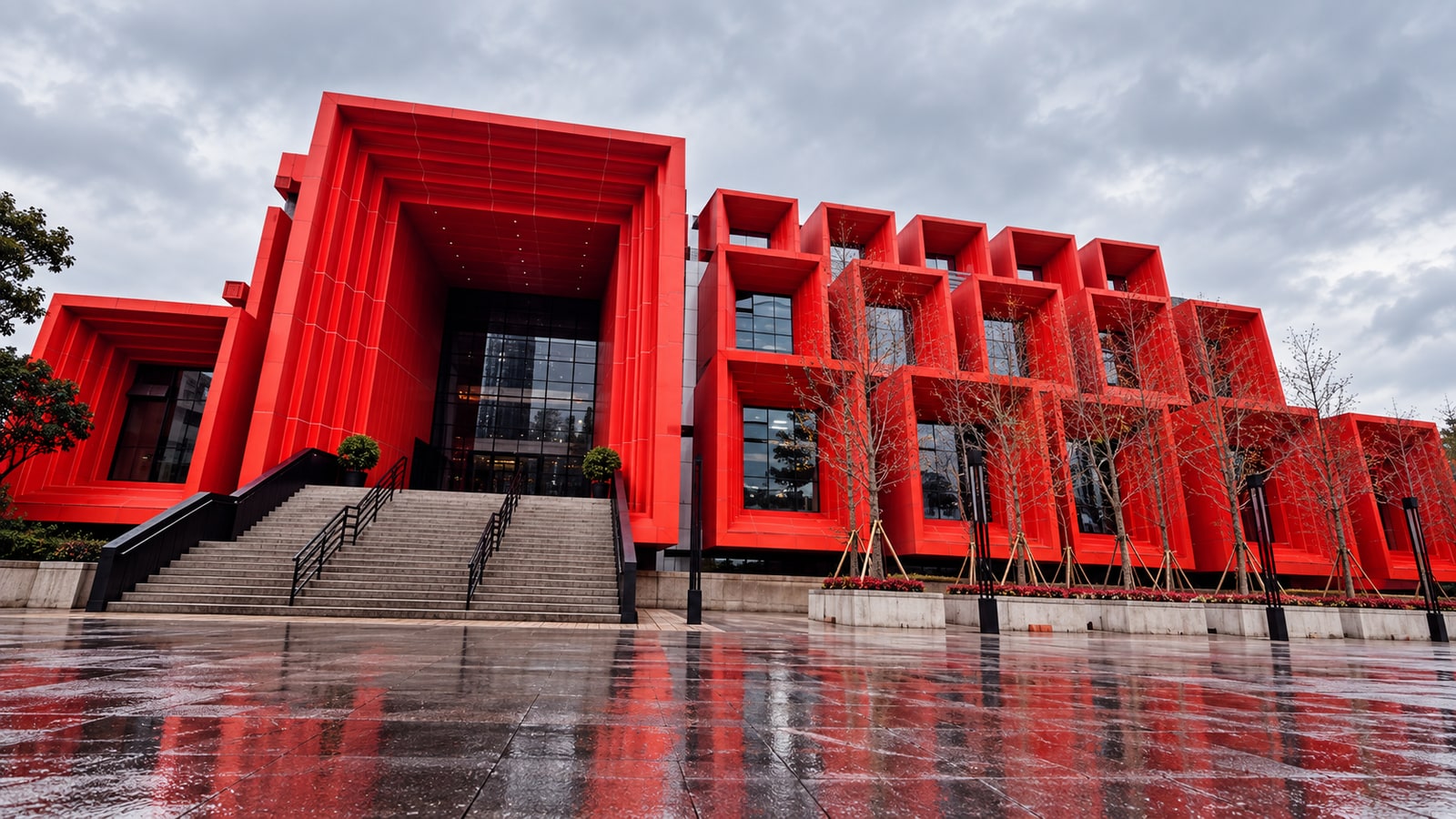
Start with the art-street section that your arrival route reaches naturally. Walk a comfortable portion of the corridor; there is no need to complete every painted block. Take a tea pause, then decide whether you have energy for another Jiulongpo stop or should return to your base. The Guotai art museum guide is a different central art outing, not the next stop on a seamless walking route.

For a family or older traveler, I would decide the return transport before the tea break. For a photographer, I would leave buffer for changing daylight instead of adding another distant attraction. Save the Chinese names offline: 请送我到黄桷坪涂鸦艺术街。 means “Please take me to Huangjueping Graffiti Art Street”; 交通茶馆怎么走? asks the way to Jiaotong Teahouse.
Compare Three Chongqing Art Outings
There are 3 useful ways to fit art into a Chongqing trip. Huangjueping suits someone interested in street surfaces, neighborhood life and tea. An indoor museum suits someone who wants a defined exhibition and shelter. A creative-area walk suits someone who wants cafés and a city stroll. I would select the experience first and check transport afterward.
| Your priority | Guide to consider | Check before choosing |
|---|---|---|
| Painted streets and tea | Huangjueping and Jiaotong Teahouse | Weather, approach and current teahouse service |
| An indoor exhibition | Guotai Art Museum | Current exhibition and entry notice |
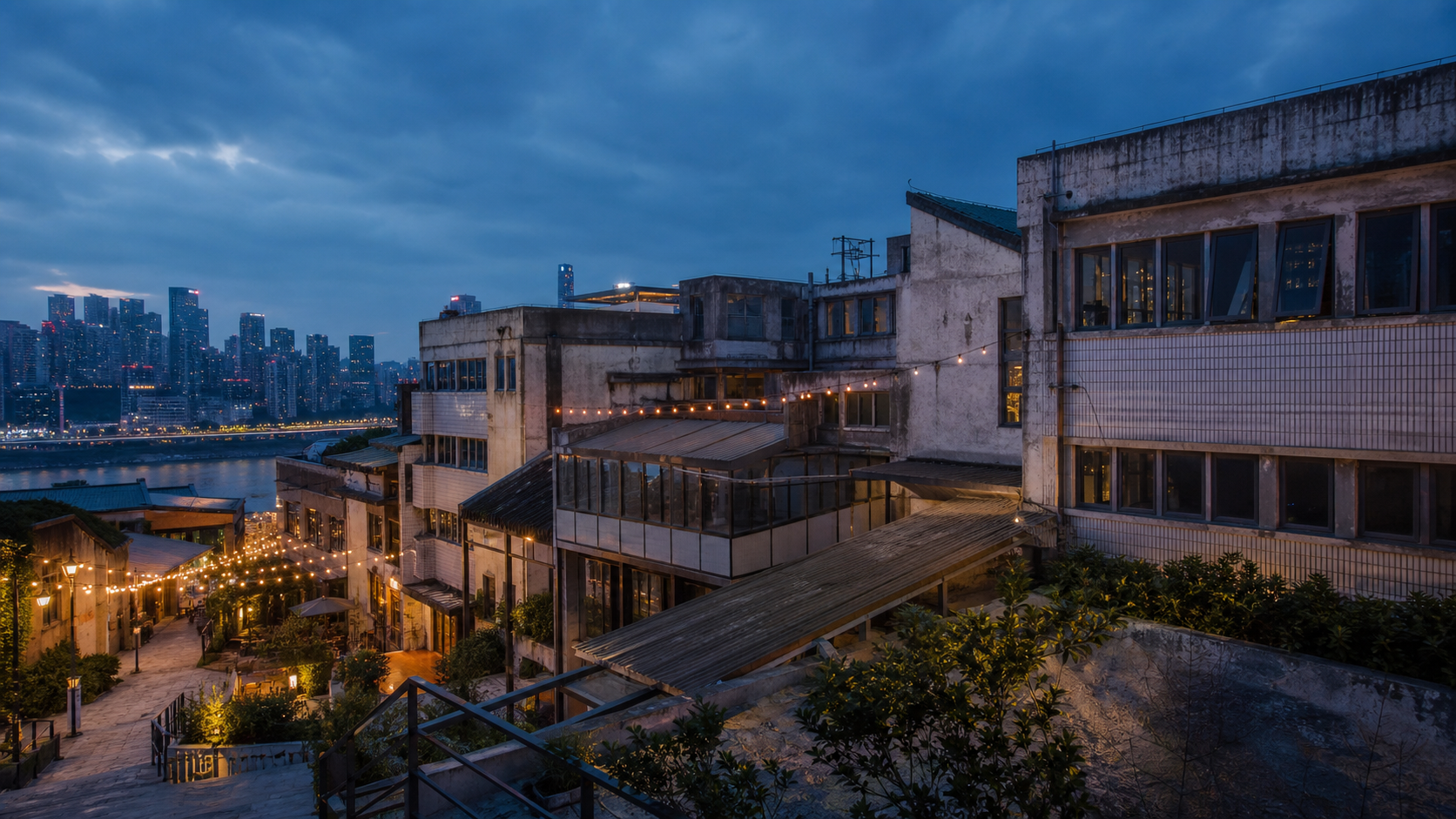
| A creative-area stroll | Eling and TESTBED2 | Hills and the businesses you want to visit |
- Your priority
- Painted streets and tea
- Guide to consider
- Huangjueping and Jiaotong Teahouse
- Check before choosing
- Weather, approach and current teahouse service
- Your priority
- An indoor exhibition
- Guide to consider
- Guotai Art Museum
- Check before choosing
- Current exhibition and entry notice
- Your priority
- A creative-area stroll
- Guide to consider
- Eling and TESTBED2
- Check before choosing
- Hills and the businesses you want to visit
The iChongqing description provides Huangjueping's neighborhood context. It does not promise an empty street, a specific artwork or access to classrooms. Check a gallery separately if that is your reason for traveling. An art-school association is not a visitor pass, and the street walk does not require campus entry.
A Four-Step Visit You Can Shorten
I would use 4 stages: arrive at a confirmed public approach, walk an amount that suits the group, pause for tea if available, and return by a saved route. This is an editorial sequence, not a timed tour. It leaves room to stop early if the weather, pavement or crowd makes the outing uncomfortable. Bendibao's local guide also suggests a half-day rather than a brief photo stop.
At arrival, identify the return transport. Save the station entrance or a legal taxi pickup, then compare street signs with your destination. Begin with what you can see from public pavement. You do not need to follow a photographer into an alley simply because a video makes the corner look accessible.
During the walk, alternate wide views with details that do not intrude on homes. Leave space for people carrying shopping or moving deliveries. Enter a shop as a customer and ask before photographing merchandise. A painted shutter may be visible from the street, but a workshop behind it remains somebody's working space.
At the tea stop, ask about seating and the menu before settling down. If there is no suitable seat, another break or an earlier return is reasonable. Do not make the half-day depend on reproducing a photograph of a particular table. Check transport again when leaving: your arrival exit may not be the useful entrance for the next journey.
Painting and Photography Need Permission
Apply 1 rule consistently: ask the person responsible before doing more than ordinary public-street viewing. Trip.com visitor posts contain inconsistent suggestions about painting and materials. Those posts are not permission to mark a wall, a shopfront or existing artwork. Buying supplies does not authorize use of a nearby surface.
For photography, 可以拍照吗? means “May I take a photo?” Ask the person you want to photograph, not another customer. If someone declines, put the camera away. Avoid moving chairs or directing customers to repeat gestures for a composition. Enjoying tea respectfully can be a complete visit without taking portraits.
Explain this to children before handing them a camera or pen. Choose a manageable public-street portion and a break that suits the group. For anyone using a mobility aid, check the approach and return before committing. None of the reviewed sources establishes a continuous step-free route through the neighborhood.
Save Two Names and a Return Point
Save 2 Chinese names: 黄桷坪涂鸦艺术街 for Graffiti Art Street and 交通茶馆 for Jiaotong Teahouse. They identify related stops, not interchangeable destinations. Bendibao's April 2026 guide, re-read on 29 September 2026, suggests Line 18, Sichuan Fine Arts Institute station and Exit 4. Confirm current signs and access; your final walk depends on where you intend to begin.
If you are returning to a hotel, save the full Chinese address and branch rather than the brand name. For a railway station, use the station printed on the ticket. Consult the navigation guide when a nearby pin does not match your street level. A short conversation with staff before departure may prevent a longer search outside.
About This Guide
Chongqing Travel Editorial reviewed a Chongqing tourism page and recent visitor material on 29 September 2026. We did not verify today's teahouse operations or claim an on-site visit. All 5 images are original AI scenes built from real-photo references, not a record of a particular mural, customer or business interior. Check current transit and opening information before travel.
Frequently Asked Questions
Q: Is Graffiti Art Street a ticketed museum? A: No. It is an outdoor neighborhood street. A tea, shop purchase or other venue may have its own charge.
Q: How long should I allow? A: Treat the street plus teahouse and transport as a flexible half-day. Walk only the amount that suits your group.
Q: Is every mural shown online still there? A: Do not assume so. Murals and street-level businesses change; use the area as the destination rather than one photograph.
Q: Can I photograph people inside the teahouse? A: Ask first. Enjoy a tea without turning other customers into the subject of an uninvited photo.
Q: Is this a good first-night substitute for Hongya Cave? A: It offers a different art-and-tea experience, but sits in a different area. For a very short first trip, choose based on travel time and interests.
Traveler comments
Share a recent experience or ask a practical question about this guide.