
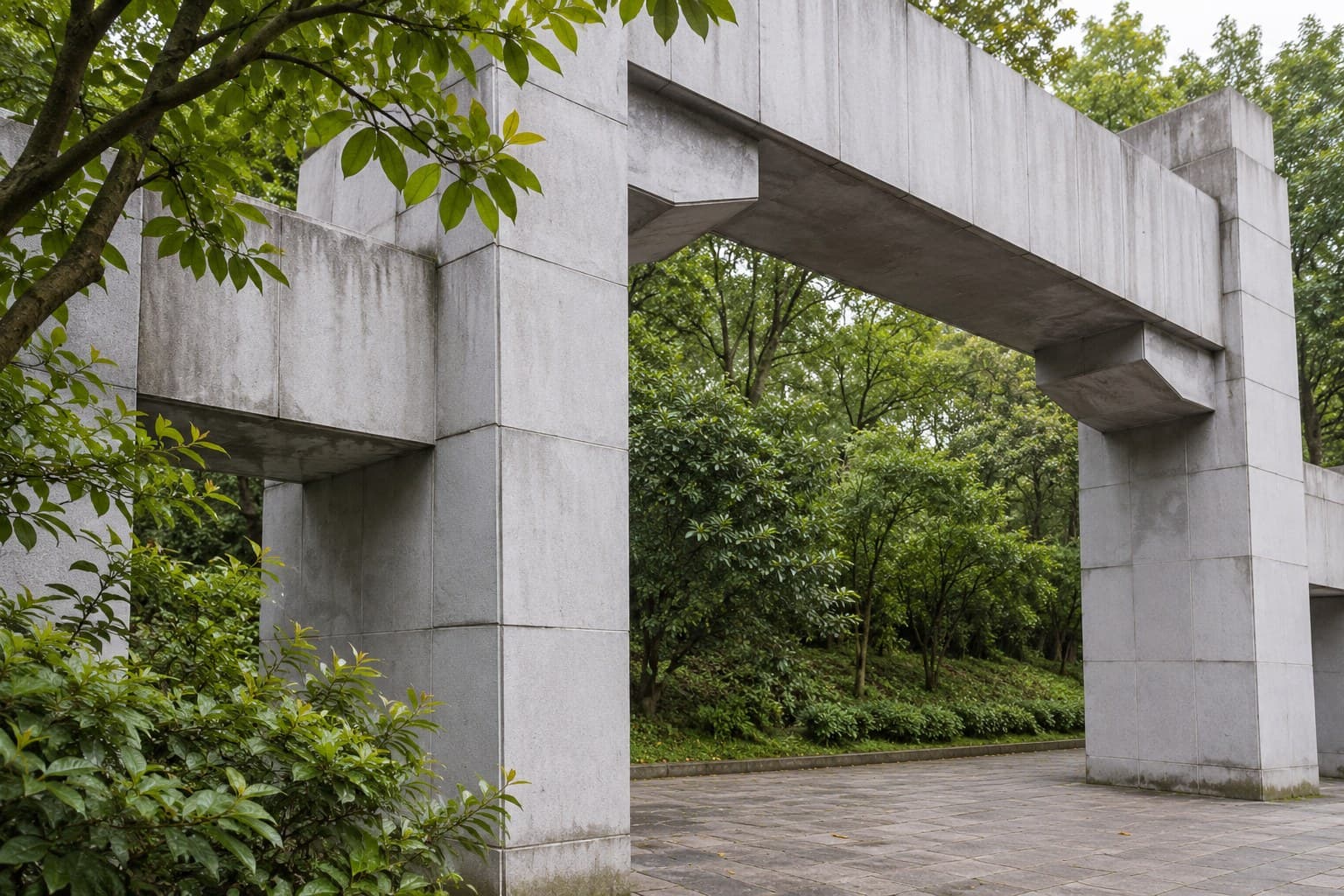
The Chongqing Museum of War of Resistance Sites (重庆抗战遗址博物馆) is a hillside heritage visit in Nanshan, not a single indoor exhibition. Choose it for wartime history and surviving residential architecture, with time for walking between buildings. This Huangshan is in Chongqing, not the mountain destination in Anhui.
Public sources were checked on 3 November 2026. This is a desk-researched guide, not a report of an on-site visit. The operating details below are published information, not confirmation that every room is open today.
Museum entrance: AI illustration from previously published site photographs, not a current entrance photograph.
Images are original AI-generated illustrations based on previously published photographs of the historic buildings, not documentary photographs or reconstructions of a particular wartime moment. Architecture and surroundings may be approximate; they do not verify current condition, open rooms, accessibility or today’s visitor routes.
Know what you are looking at
The site brings together fifteen surviving historical sites associated with Chongqing’s wartime role. Yunxiu Lou was Chiang Kai-shek’s residence and a place of decision-making; Song Ting is associated with Soong Mei-ling; Lianqing Lou housed the American military mission supporting China. The broadcaster’s illustrated history documents the wooded terrain and the buildings. Read a residence, office and air-raid shelter as different parts of a wartime landscape, rather than assuming that every attractive villa had the same function.
The useful distinction is between the historical structure, restored interiors and the museum’s interpretation. A furnished room is not necessarily an untouched wartime room. Read the labels before treating an object as original, and avoid inferring the precise events of a meeting from a modern display. This guide does not assess every exhibit’s provenance.
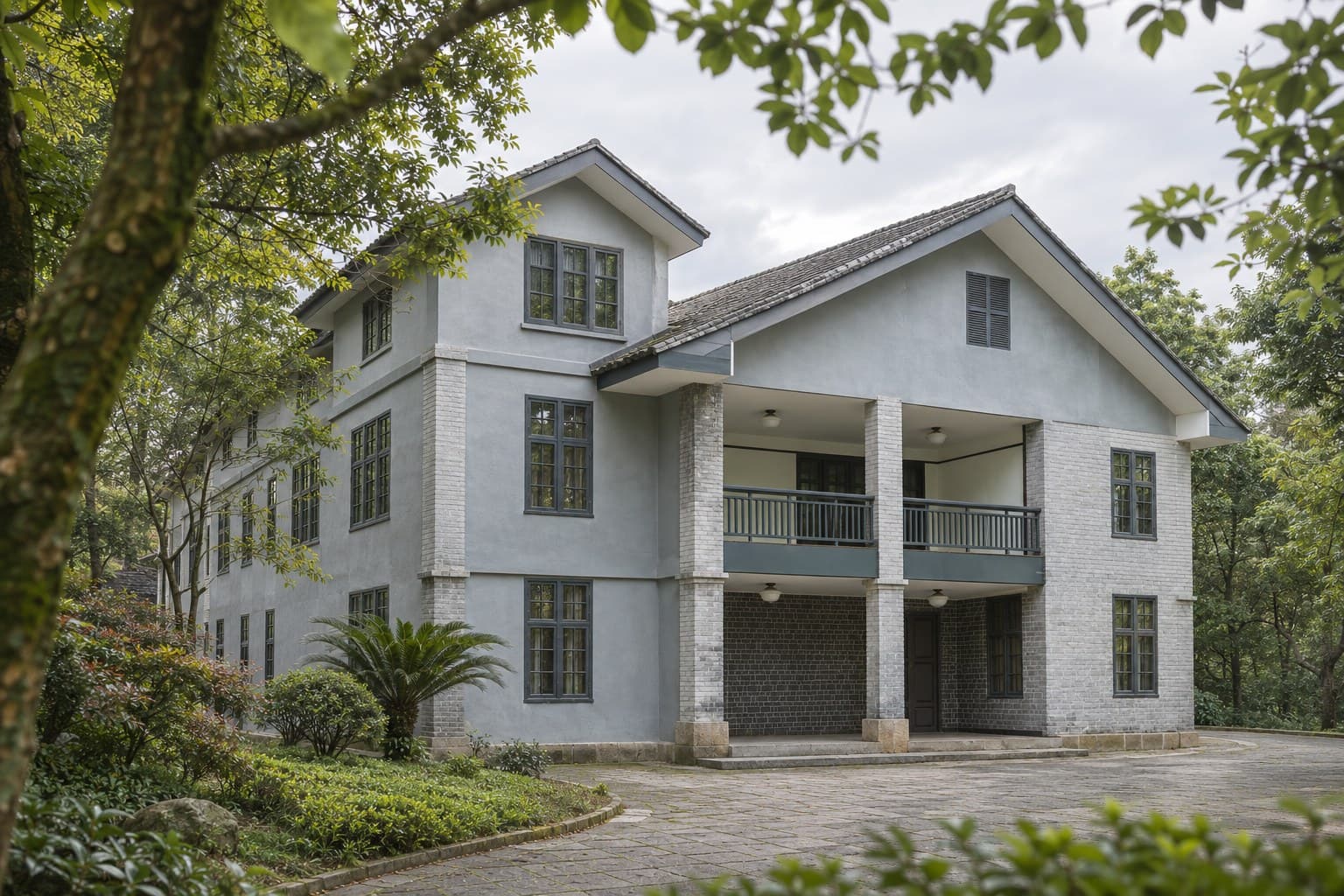
Yunxiu Lou: AI exterior illustration, not evidence of today’s interior display or opening.
Hours: plan for a morning, not the last admission
The Nan’an district’s 2026 listing gives 09:00–18:00 from 5 March to 15 October, with halls cleared at 17:50. From 16 October to 4 March, it gives 09:00–17:30, with halls cleared at 17:20. Ticket sales stop one hour before closing: 17:00 in summer and 16:30 in winter.
For November, use 16:30 as the latest published ticket-sales cutoff, not as a sensible arrival target. Ctrip instead lists a 17:00 winter closing and 16:30 last entry. Until the museum confirms the day’s arrangement, do not rely on the extra half-hour. Arrive in the morning or early afternoon, and ask which halls close first. The official seasonal listing does not specify a weekly closure day; do not import a Monday-closure rule from another museum.
Tickets, booking and foreign documents
The district table lists adult admission at CNY18 and booking through the museum’s WeChat public account, Ctrip or Meituan. A separate January 2026 price-hearing notice proposed CNY22, 23 or 24. A proposal is not an implemented price; no final implementing notice was located in this check. Confirm the displayed total before buying rather than treating either the old listing or a proposed increase as guaranteed.
The table lists free entry for under-18s and people aged 65 or over, and half-price entry for eligible full-time undergraduate-or-below students and visitors aged 60–64, subject to valid documents. Eligibility for foreign documents and the actual passport booking workflow were not tested. Contact +86 23 6246 2447 if that affects your plans. Carry your original travel document; do not enter a made-up Chinese ID number if a form does not accept your document type.
A May 2026 museum event report offered free entry and guided tours on 18 May. That expired offer is not a standing admission policy. English guiding, current tour times and walk-up ticket availability were not independently confirmed.
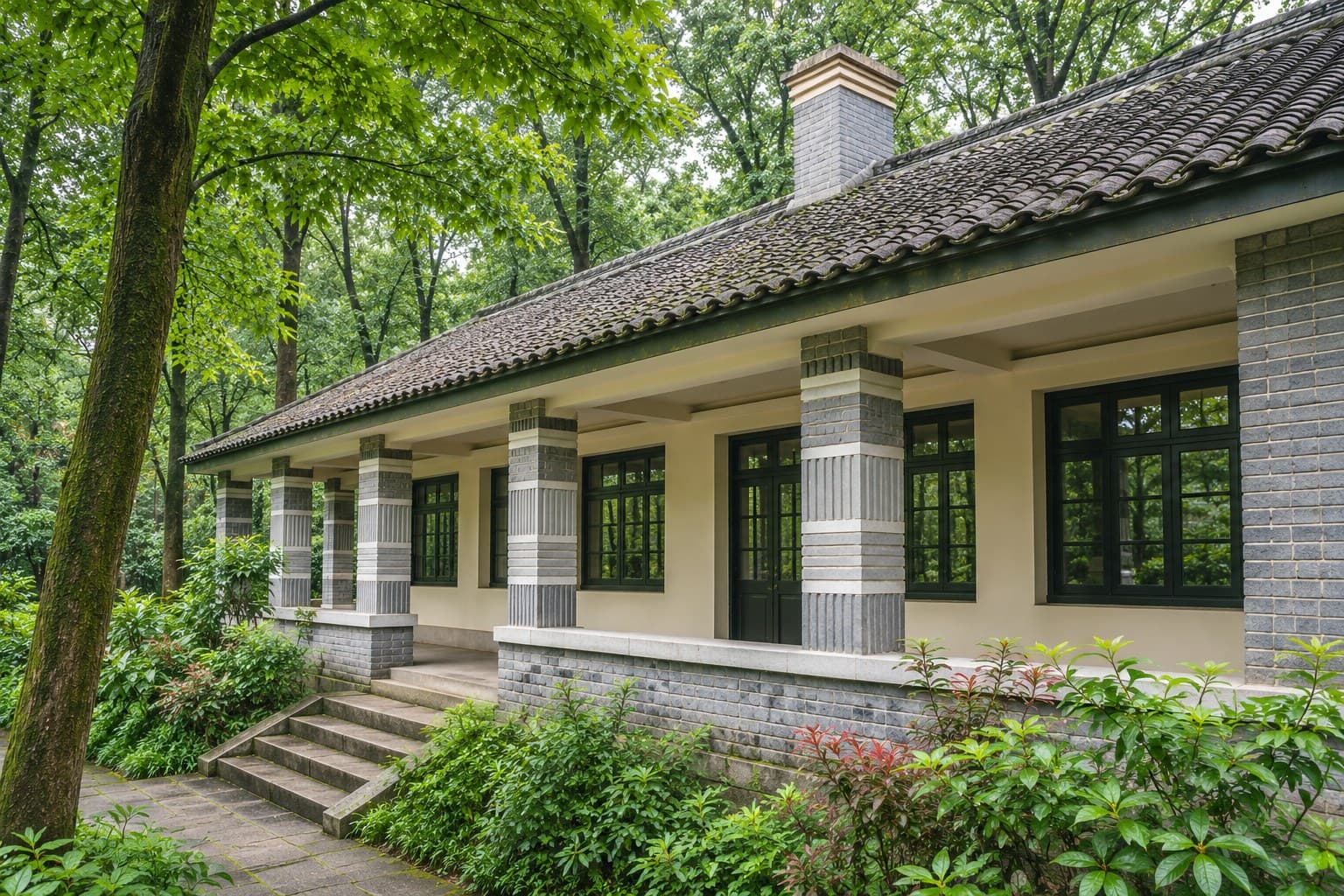
Song Ting: AI exterior illustration; reference-photo details may be approximate.
Get to the museum entrance, then plan the return
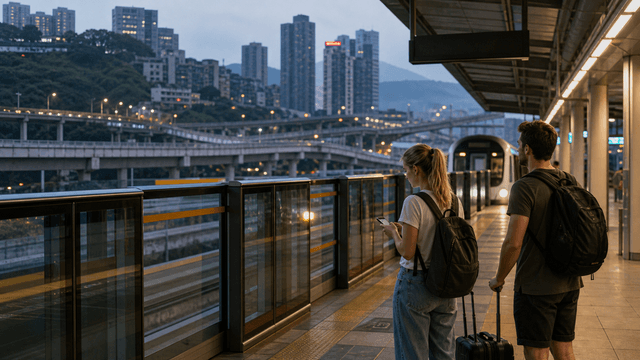
Save this destination: 重庆抗战遗址博物馆,重庆市南岸区南山植物园路1号. The municipal museum directory lists bus 384 to 黄山站 (Huangshan stop). Check a live journey planner for the current boarding point, direction, last departure and walking connection; this guide does not verify today’s timetable or fare.
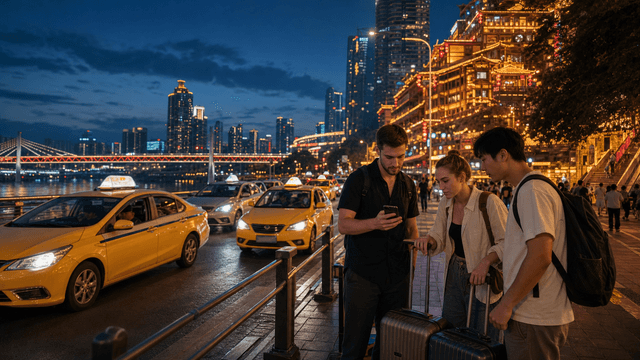
For a taxi or ride-hail, use the full museum name rather than simply 黄山 or 南山植物园. Ask for the public visitor entrance and use a permitted drop-off point. A vehicle reduces the approach, not the walking inside. Before starting uphill, identify a return pickup point and keep the address saved offline. Do not assume that a taxi will be waiting at closing.
A flexible two-to-three-hour visit
Allow roughly two to three hours on site as an editorial planning estimate, not an official route duration. Start by asking the visitor centre for today’s open-building map and any closed paths. Use the introductory exhibition first if available, then choose Yunxiu Lou, Song Ting and Lianqing Lou according to the signed paths and your stamina. This is a priority list, not a surveyed turn-by-turn circuit.
Leave the Wangjiang pavilion as optional. A viewpoint adds little if cloud or haze hides the landscape or the climb is uncomfortable. Do not try to fit every building and a second Nanshan attraction into a short afternoon. If the remaining time is tight, a smaller number of rooms read carefully is more useful than rushing between all of them.
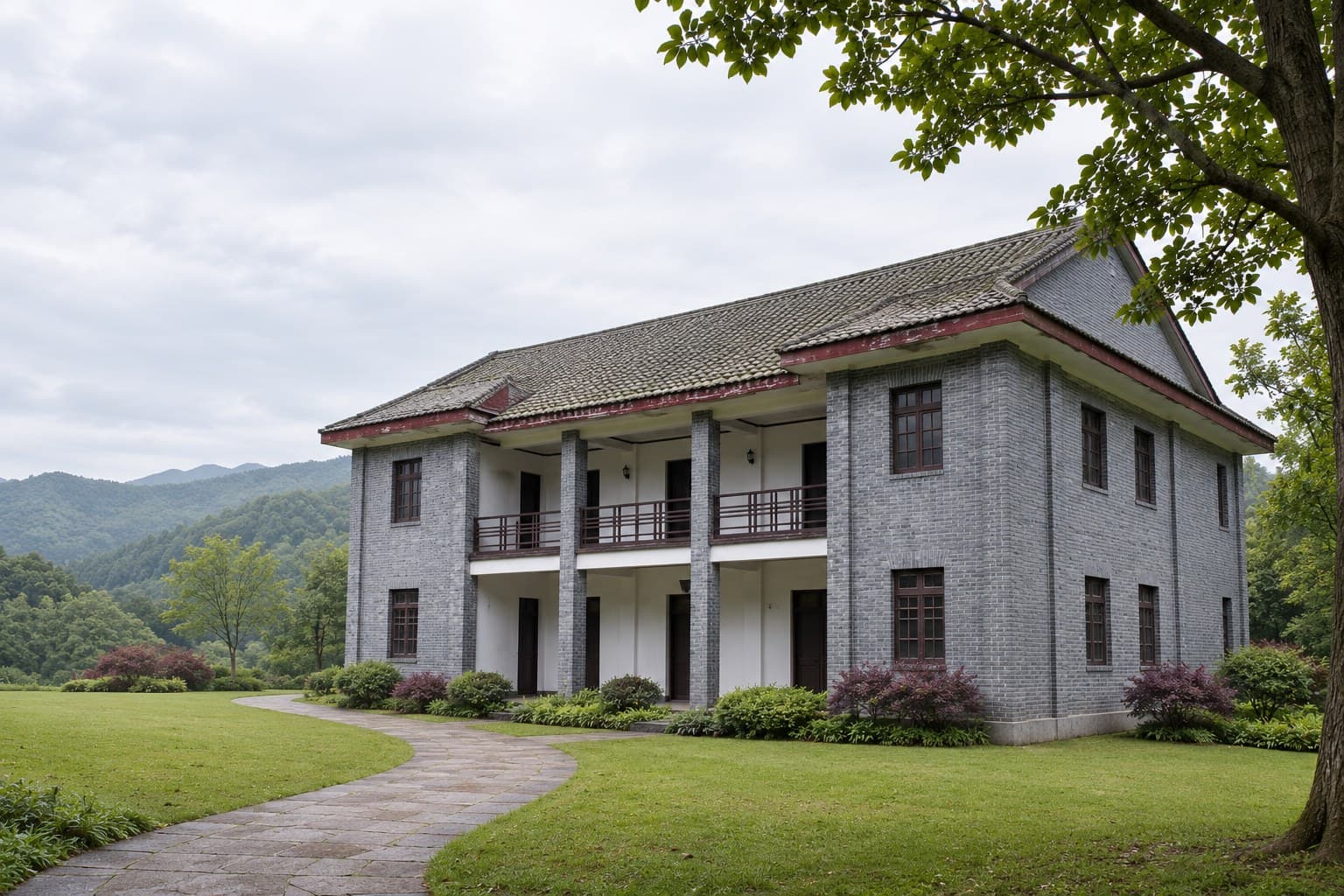
Kong Yuan: AI exterior illustration, included for architectural context rather than a verified route stop.
Slopes, wet weather and access
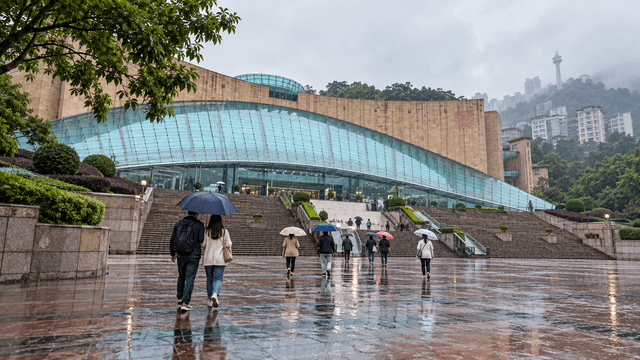
Treat this as an outdoor hill visit with indoor stops. Wear shoes with grip, carry water and a light rain layer, and take breaks before fatigue affects your footing. Wet leaves and steps call for a slower pace. Follow weather warnings and staff closures; in thunderstorms or heavy rain, postpone exposed viewpoints and do not explore closed paths or unstaffed shelter entrances. These are general precautions, not a claim about today’s weather.
The district lists wheelchairs, walking sticks, strollers and umbrellas loaned against a deposit. That does not establish a continuous step-free route. If stairs are a barrier, ask specifically about entrance-to-gallery access, slopes, accessible toilets and assistance before travelling. The precise accessible circuit and availability of loan items remain unverified.
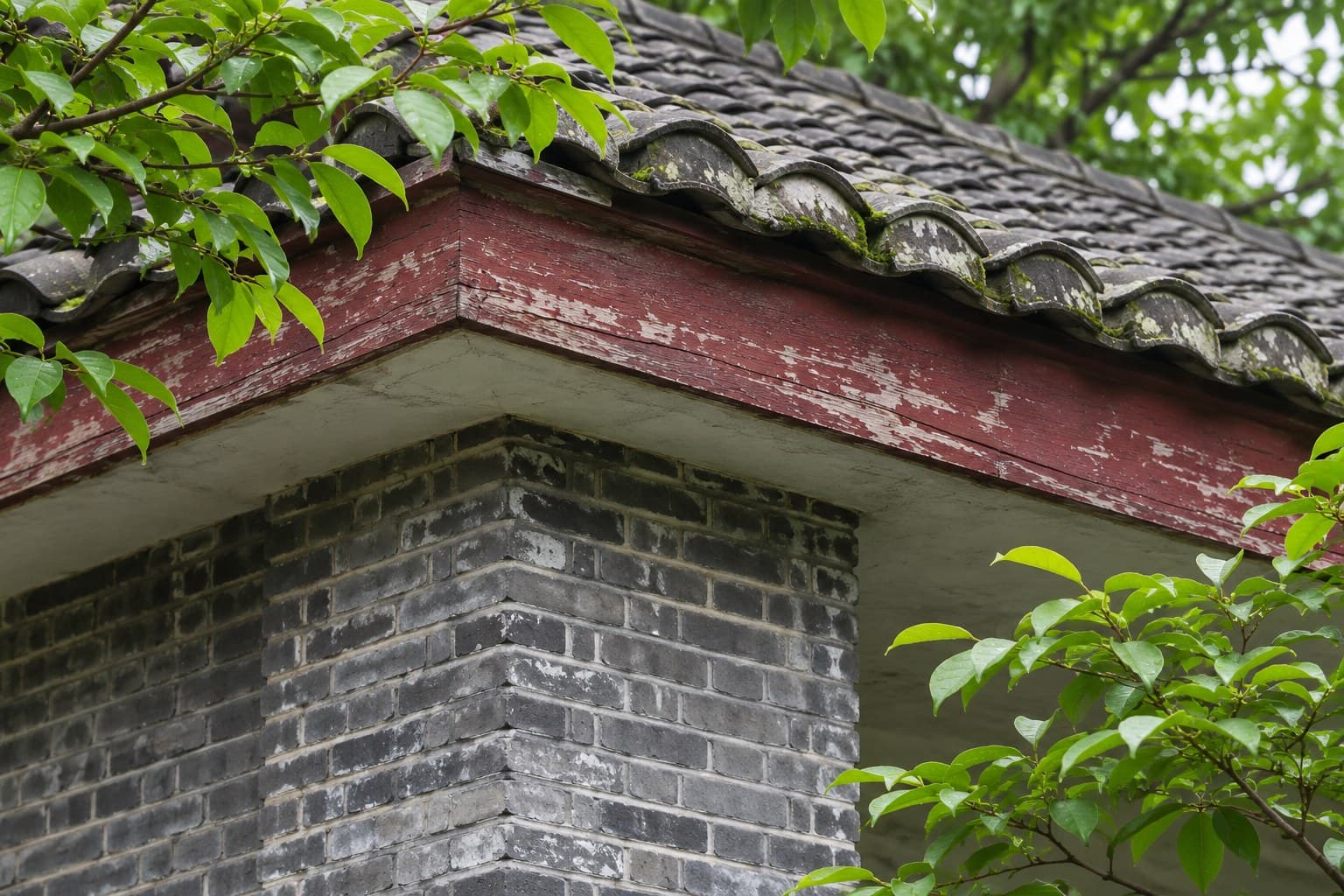
Roofing and masonry: AI interpretive detail, not a conservation record or proof of original materials.
Questions before you go
Q: Is this Anhui’s Huangshan? No. Use the full Chongqing museum name and Nan’an address.
Q: Is it free? The latest official table located lists CNY18 for adults, with concessions. Confirm the current price; May’s free-entry event has ended.
Q: Must I reserve? The official listing names three booking channels but does not establish a universal advance-reservation requirement or a tested foreign-passport process. Ask the museum if unsure.
Q: Can I visit on Monday? No weekly closure is stated in the seasonal listing. Check temporary notices for your date instead of assuming all museums follow the same rule.
Q: Is it suitable for a wheelchair? Loan wheelchairs are listed, but an uninterrupted accessible route has not been verified. Confirm the particular halls you want to visit.
Useful Chinese phrases
- 请问今天哪些展馆开放? — Which exhibition buildings are open today?
- 外国护照可以现场购票吗? — Can I buy a ticket here with a foreign passport?
- 有没有不用走台阶的路线? — Is there a route without steps?
- 请问返程在哪里上车? — Where should I board for the return journey?
Traveler comments
Share a recent experience or ask a practical question about this guide.