
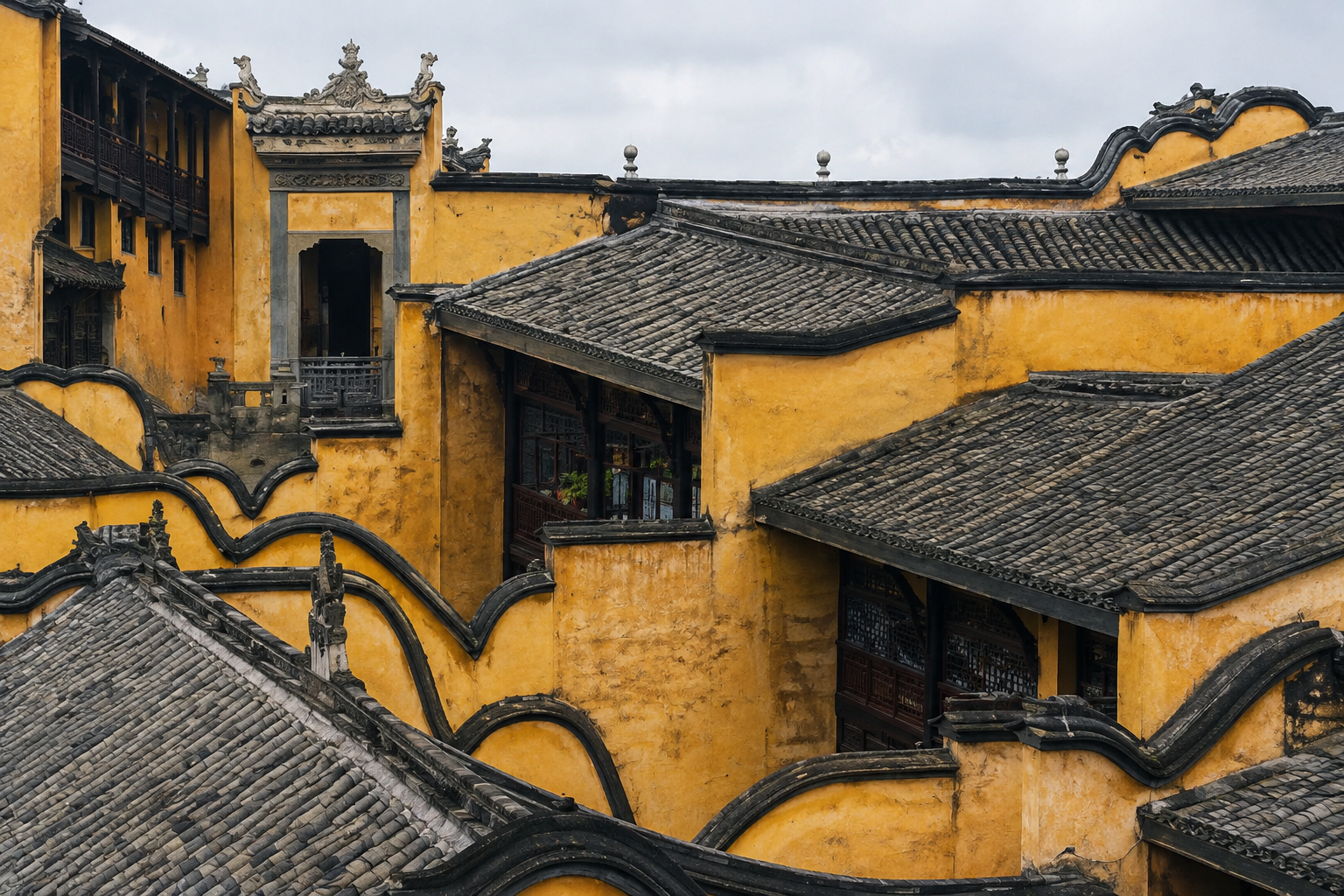
For a Huguang Guild Hall visit in Chongqing in 2026, I suggest reserving 2 hours for architecture and museum context, with Dongshuimen as an optional extension. Local archives identify three principal halls here. Choose this stop for courtyards, carved details and migration history; confirm admission and performance arrangements before leaving your hotel.
This is a visit-planning guide based on published sources, not a report of a recent editorial inspection. The suggested time block is our planning allowance, not a timed walking route. If you are choosing between another shopping street and a closer look at historic buildings, the guild hall adds a different kind of stop to a central Chongqing day.
The cover and architectural detail image are AI illustrations based on a real Huguang Guild Hall reference photograph. They show architectural character, not current entrance conditions or an exact visitor viewpoint.
Is Huguang Guild Hall a Good Fit for Your Day?
I would give it a 2-hour block if you enjoy looking closely at buildings, reading museum material or understanding how a trading city developed. The iChongqing introduction explains the complex through its social and commercial functions. That context helps: a guild hall brought people together, so the relationship between meeting spaces, courtyards and stages matters as much as any individual photograph.
Go with a modest, specific aim. You might want to understand what a regional association did, identify the differences between decorative surfaces, or take a small set of architectural photographs. You do not need to become an expert in every inscription to enjoy the visit. Read the overview, choose what interests you, and leave room for a slower look.
I would shorten or postpone the stop if your group wants an entirely level outing, if you are carrying luggage, or if the available admission window is too tight. This guide has not verified a continuous step-free route. A heritage building visit can also be a poor match for children who are already tired from several other attractions; choose a small observation game rather than an exhaustive circuit.
Find the Chongqing Venue and Confirm the Entrance
Save the Chinese name 重庆湖广会馆 before departure. The municipal archives locate it at No. 4 Dongshuimen Zhengjie, while the travel listing uses a Bajiaoyuan/Changbin Road address. These are different location labels associated with the complex; neither proves that a map pin is today's usable entrance.
My arrival checklist is deliberately practical: confirm the city is Chongqing, open the actual attraction pin, then check the pedestrian approach and the entrance named on your ticket. Do not select another city's Huguang Guild Hall simply because the English names resemble one another. Save an entrance screenshot when you have a connection, together with the booking details if you buy in advance.
For rail planning, Xiaoshizi is the approach named in iChongqing's transport description, which references Lines 1 and 6. That article is from 2019, so I would use it for station context and ask station staff or check current navigation for the exit and final approach. I have not verified an exit number, lift route or exact walking time for this guide. Our Chongqing metro guide covers the wider journey.
With a taxi or ride-hailing car, show the attraction name and ask for a legal drop-off near the confirmed entrance. A vehicle's stopping point and a pedestrian gate may be different. Before leaving the car, compare your position with the entrance instructions rather than following a straight line toward the roof you can see.
Plan the Visit Around Three Main Halls
The archives name three principal buildings: Yuwang Palace, Qi'an Guild Hall and Guangdong Guild Hall. I would use those names as a simple orientation list, then follow the current visitor signs rather than assuming every room forms a fixed circuit. The archive account also describes the site's conservation history; the appearance of a preserved building should not be confused with a claim that every visible component is untouched.
Start with the introductory interpretation if it is accessible, then relate the buildings to the people who used them. The useful question is not merely “How old is this roof?” but “What happened in this space?” Look for the relationship between a stage and its audience area, between a courtyard and surrounding rooms, and between a passage and a change in level.
For an independent visit, a translation app can help with a short label. Translate one complete caption at a time and check the Chinese place name before treating the output as reliable. If historical interpretation is central to your visit, ask in advance about a guide in a language you understand. Availability, price and tour duration need confirmation; a ticket listing does not establish those services.
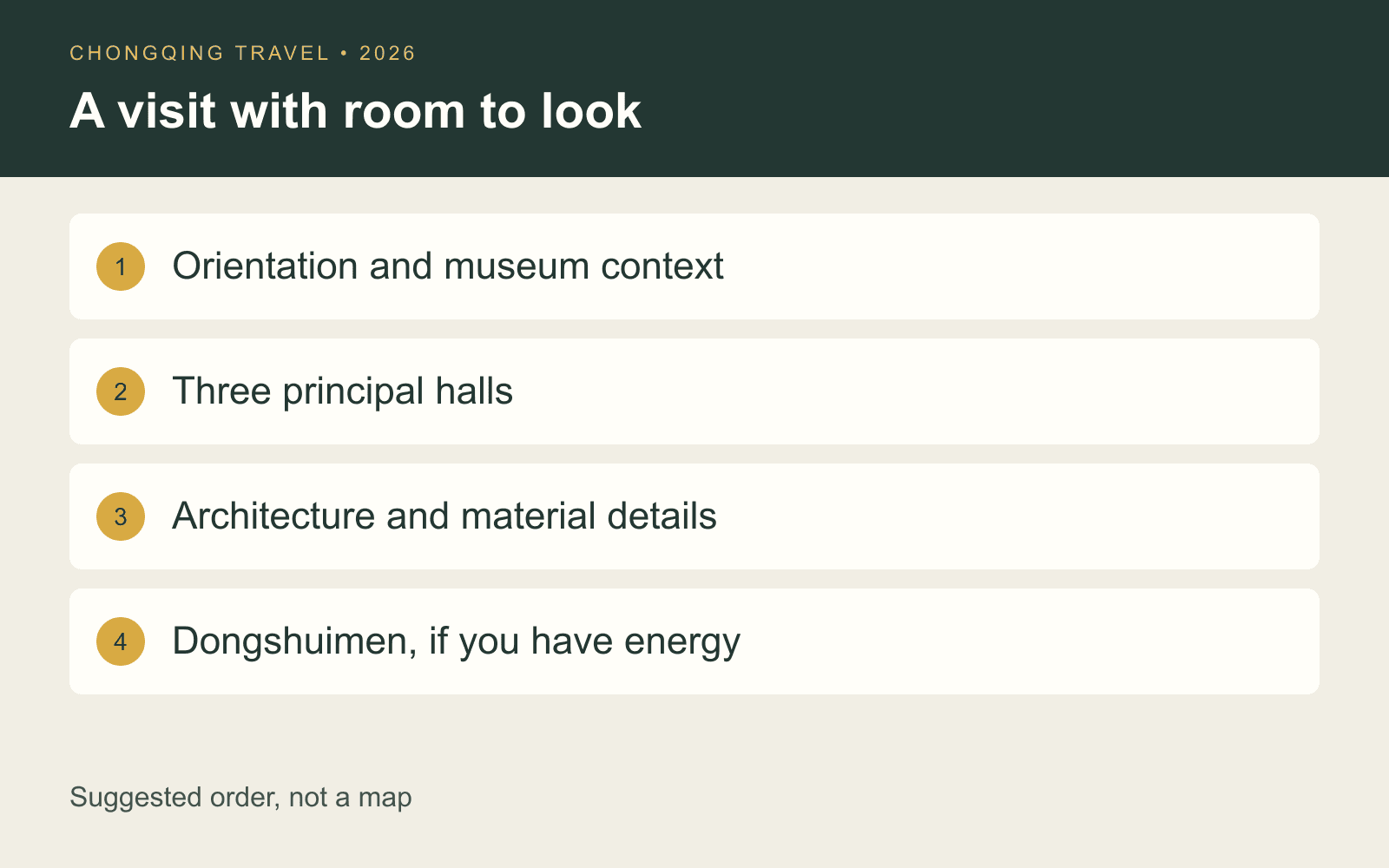
An editorial visit sequence, not a floor plan. Follow the venue's current access signs.
Photograph Details Without Turning the Visit into a Photo Queue
I would aim for three kinds of image: an overall architectural view, a closer material detail, and a composition showing how a passage frames the next space. The iChongqing overview identifies courtyards and performance spaces as part of the complex; photographing their relationships tells more of the story than repeatedly isolating a yellow wall.
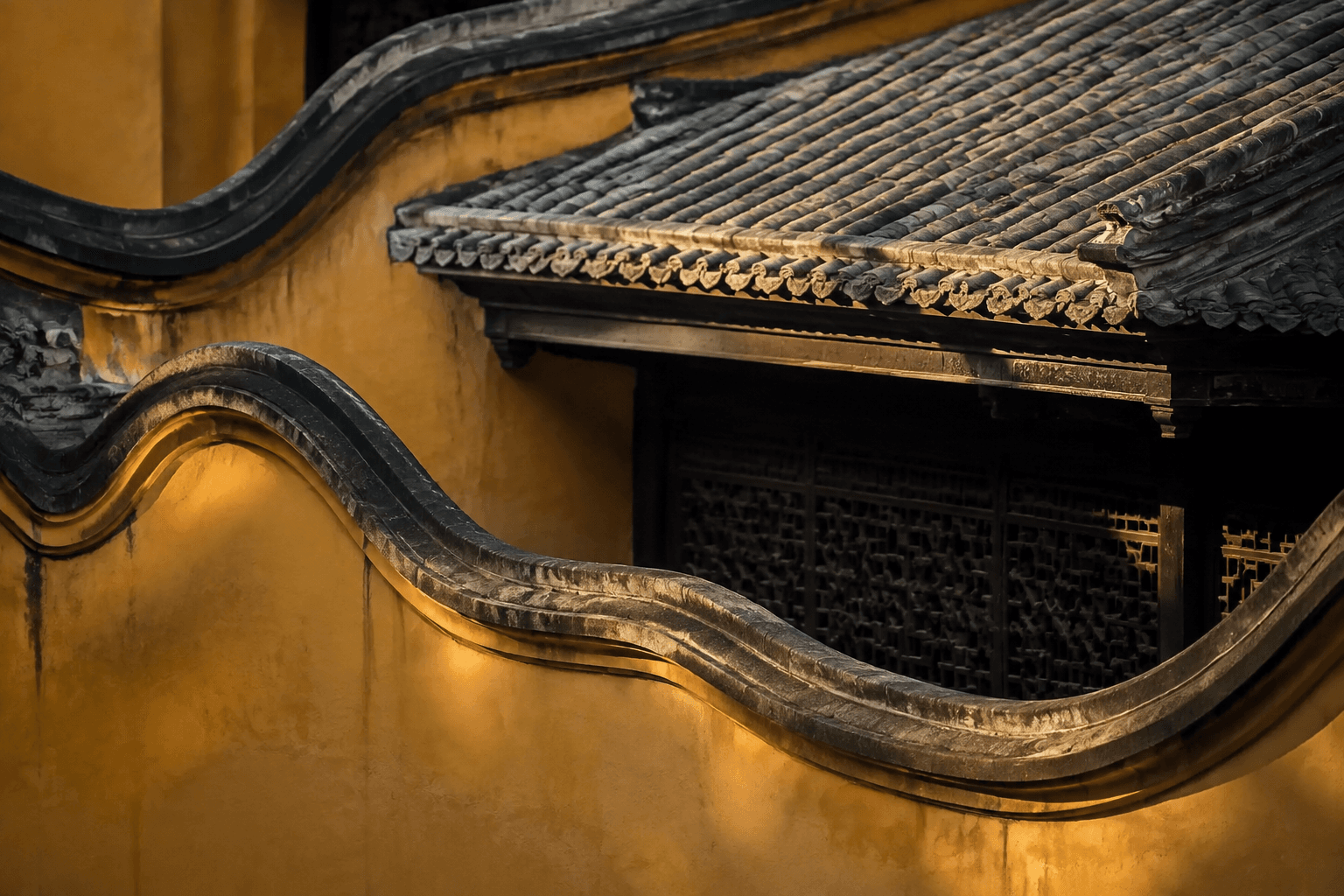
Use the real conditions in front of you. A darker doorway and a bright wall may exceed what your phone captures in one exposure, so tap on the bright surface and check whether the shadow still has useful detail. Stand aside after taking your frame, particularly where other people need to pass. Avoid backing toward a step while watching your screen.
Do not climb onto roofs, cross a barrier or enter a closed space to imitate a saved image. The illustration above is not evidence of a public photo platform. If a gallery restricts photography, put the camera away; if flash or tripods are restricted, follow the posted rule. Other visitors are there to see the buildings too, so ask before making someone the main subject of a photograph.
Tickets, Opening Hours and Performances: Check Separately
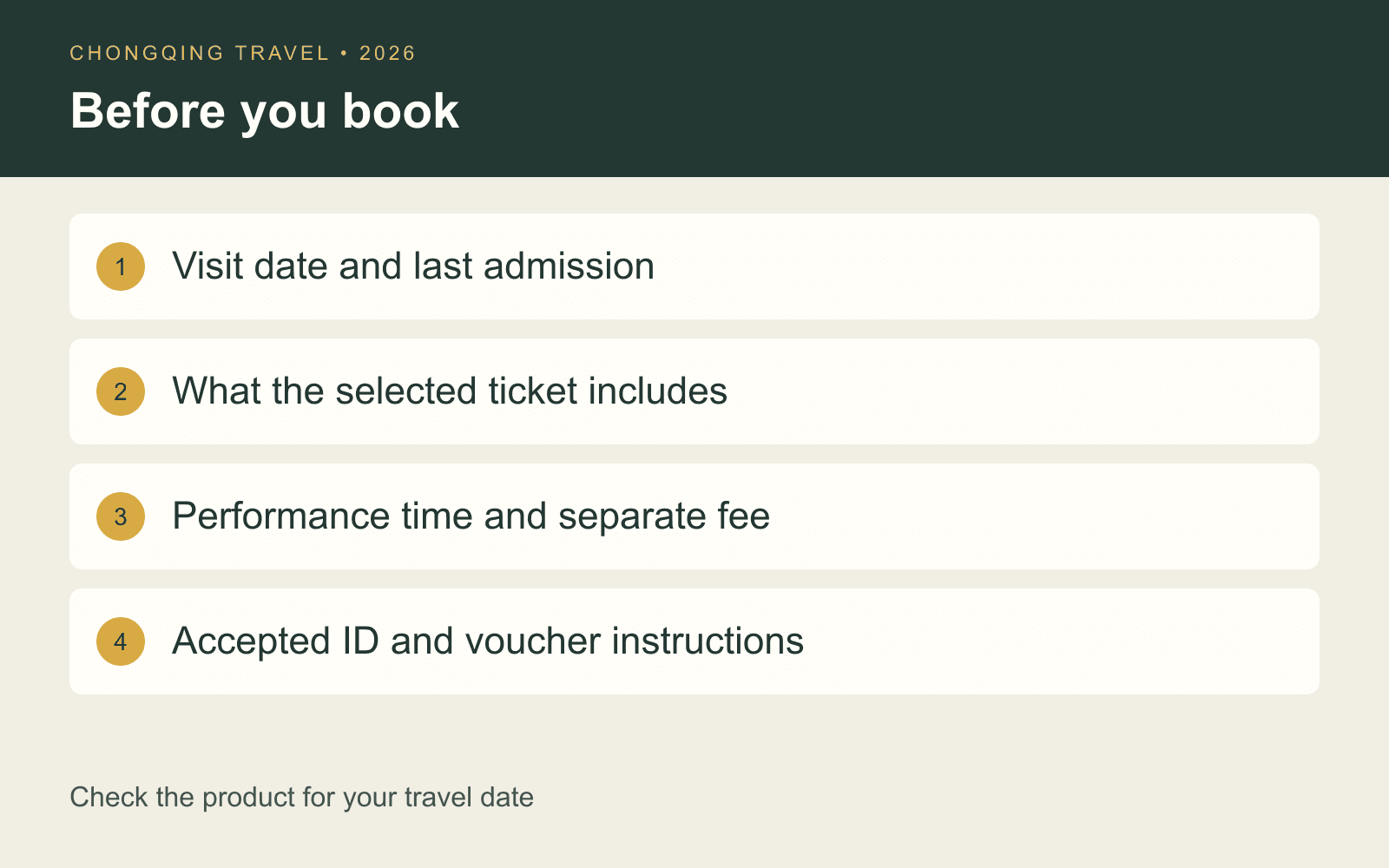
The Trip.com listing suggests 1–3 hours for sightseeing. During our September 8, 2026 review, it did not provide a sufficiently clear fixed opening-hours schedule in the accessible page text for us to publish one. I would confirm the visit date, last admission and what the selected product includes before paying. A displayed foreign-currency offer is not the same as a permanent official entrance price.
Treat a performance as a separate decision. Ask whether there is a show on your date, whether it needs its own ticket, what language or format it uses, and whether the advertised start fits your arrival. Do not infer a daily program from a photograph of a stage or a review of a festival visit. A sightseeing admission and a performance reservation may have different conditions.
For overseas travelers, inspect the traveler-information fields before purchase. Confirm that the product supports your document type, what identification must be shown and whether any voucher exchange is required. Save the confirmation where you can retrieve it. If the booking flow is unclear, resolve it with the seller before entering payment details; this guide does not promise a particular passport workflow.
Add Dongshuimen If Your Group Has Energy
There are two different landmarks to keep straight: Dongshuimen, the old city gate, and Dongshuimen Yangtze River Bridge. The Yuzhong heritage record places the gate beside the guild hall and below the bridge. I would consider the gate after the interior visit, then decide whether another walk still feels enjoyable.
Do not turn “nearby” into a promised flat connection. Follow open pedestrian signs and inspect the footing, especially if it has rained. The official description notes uneven historic paving. A riverside destination visible from above may still require a separate descent, and this guide does not certify a continuous accessible route between the attractions.
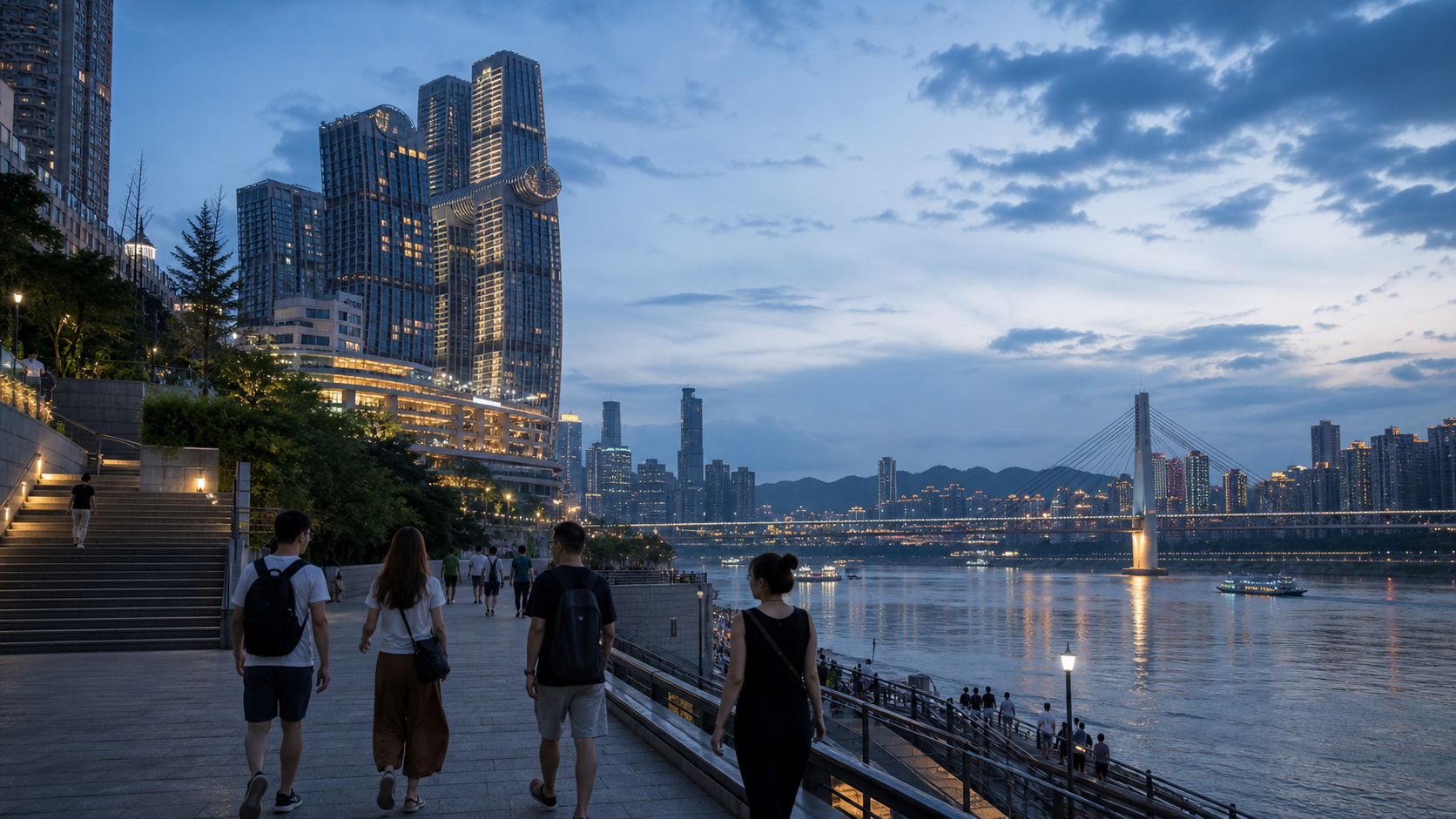
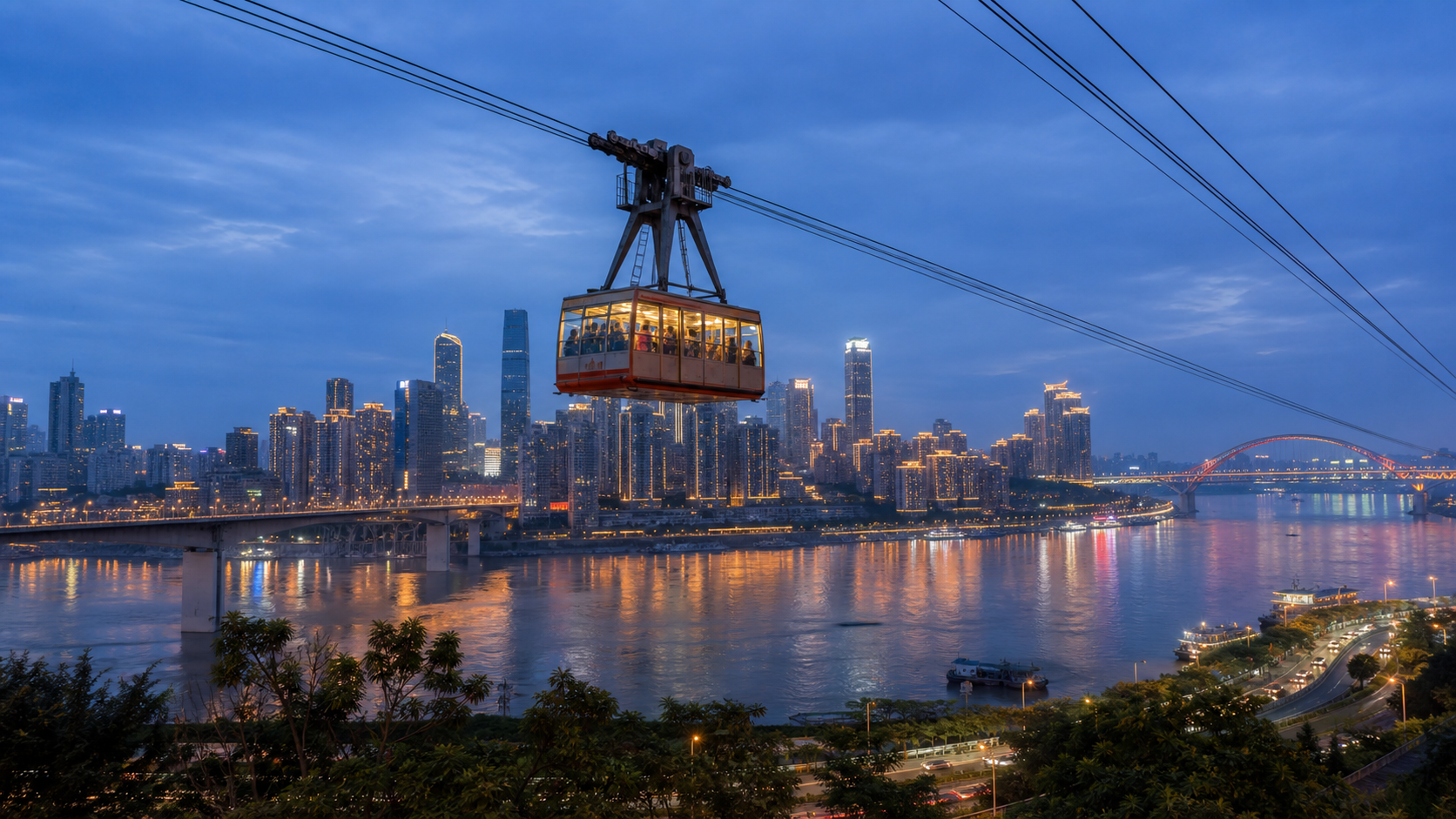
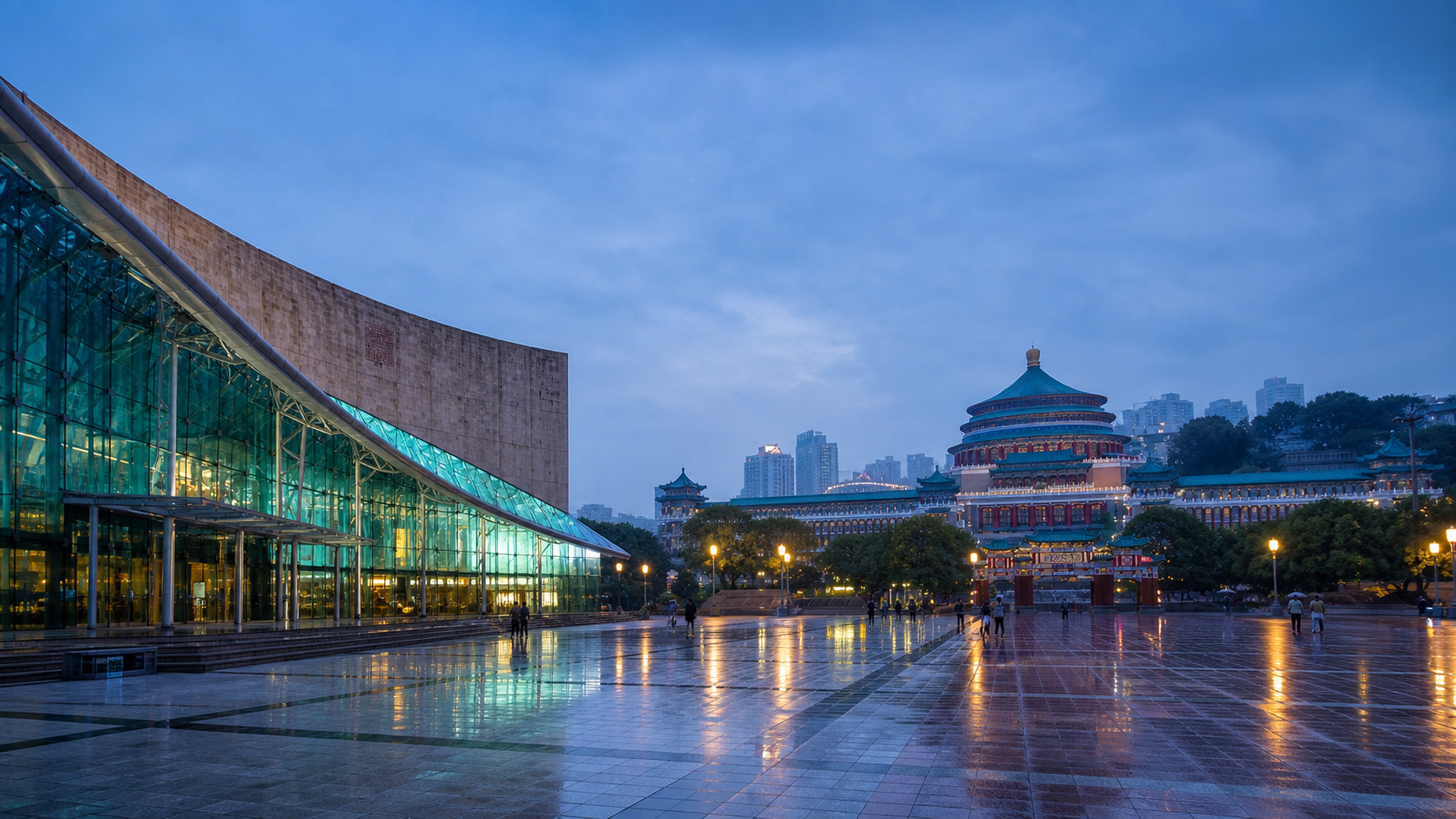
Choose one next destination rather than adding every famous name in the area. For a central-city continuation, read our Jiefangbei and Raffles City walking guide. For a cross-river activity, consult the separate Yangtze River Cableway guide and check its operating status before building a connection around it. Neither extension is included in the guild hall planning block.
Comfort, Food and the Return Journey
Before leaving, check four things: footwear, water, battery and the return destination. My preference is to carry a small bag and keep a break available rather than scheduling another timed attraction immediately afterward. The heritage record gives a concrete reason to pay attention to footwear around Dongshuimen: the old stone paving is uneven.
For families, agree on a meeting point after entering and ask about the current toilet location. For travelers using a wheelchair or stroller, ask about the exact route through the spaces you want to see, including the exit; “accessible entrance” is not confirmation that the whole visit is step-free. If suitable access cannot be confirmed, choose an alternative suited to the group instead of improvising a carry over stairs.
Plan food according to your own needs. This guide does not verify a particular nearby restaurant, halal kitchen or prayer space. Travelers avoiding pork, alcohol or other ingredients should discuss those requirements with the establishment before ordering. A photograph of vegetables or a non-spicy dish cannot establish the preparation method. Keep the meal decision separate from whether the attraction suits your day.
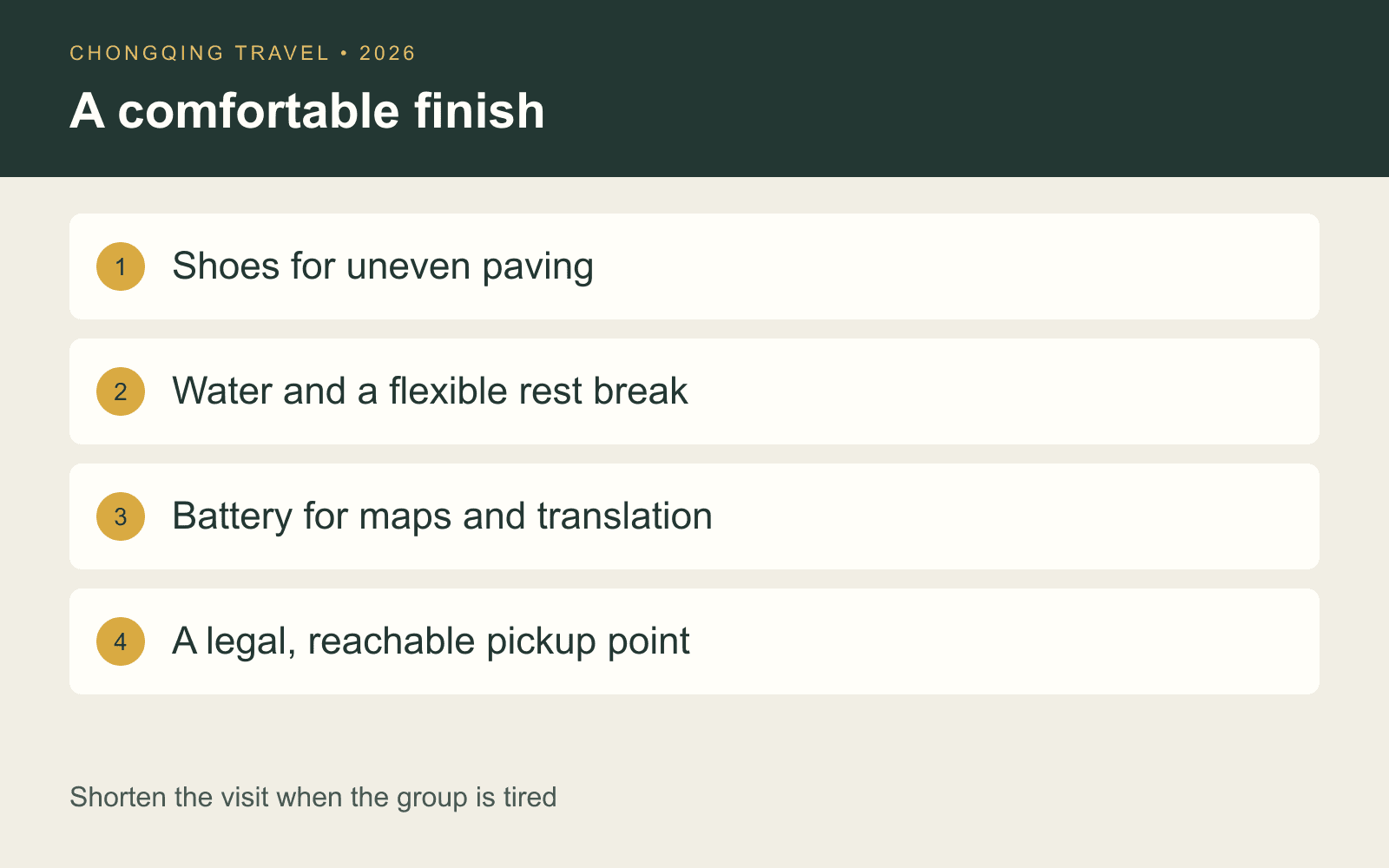
Before requesting a car, select a legal, reachable pickup point and check which side of the road it uses. Send the saved destination name if there is confusion. The successful ending to this visit is a comfortable departure, not completing an arbitrary number of stops. If the group has had enough, finish here and leave the next neighborhood for another day.
About This Guide
Researched on September 8, 2026 from municipal archives, district heritage material, iChongqing, a travel listing and a traveler report. We distinguish historical context from current operating information and editorial time allowances. No recent site visit or private interview is claimed. See the municipal archive account for provenance of the principal-hall names. AI illustrations and original planning cards are explanatory visuals; admission, shows, weather and accessibility remain travel-date checks.
Frequently Asked Questions
Q: How long should I allow for Huguang Guild Hall? A: Our planning suggestion is 2 hours for a considered visit; Trip.com lists 1–3 hours. Add transport, breaks, Dongshuimen and any separately booked performance outside that block.
Q: Which metro station should I check for the approach? A: Start with Xiaoshizi and current information for Lines 1 and 6. Confirm the exit and pedestrian entrance before walking; this guide does not certify a lift route or walking time.
Q: Is Dongshuimen the same place as Dongshuimen Bridge? A: No. Dongshuimen is the historic gate beside the guild hall, while Dongshuimen Yangtze River Bridge is the modern crossing above the area.
Q: Does a Huguang Guild Hall ticket include a show? A: Check the selected product for your date. Admission and performances should be verified separately, including the show's start, language and ticket conditions.
Q: Is the visit suitable with a stroller or wheelchair? A: Ask the venue about the full entrance-to-exit route, including the rooms you want to see. The Dongshuimen area has uneven historic paving, and we have not verified continuous step-free access.
Traveler comments
Share a recent experience or ask a practical question about this guide.