
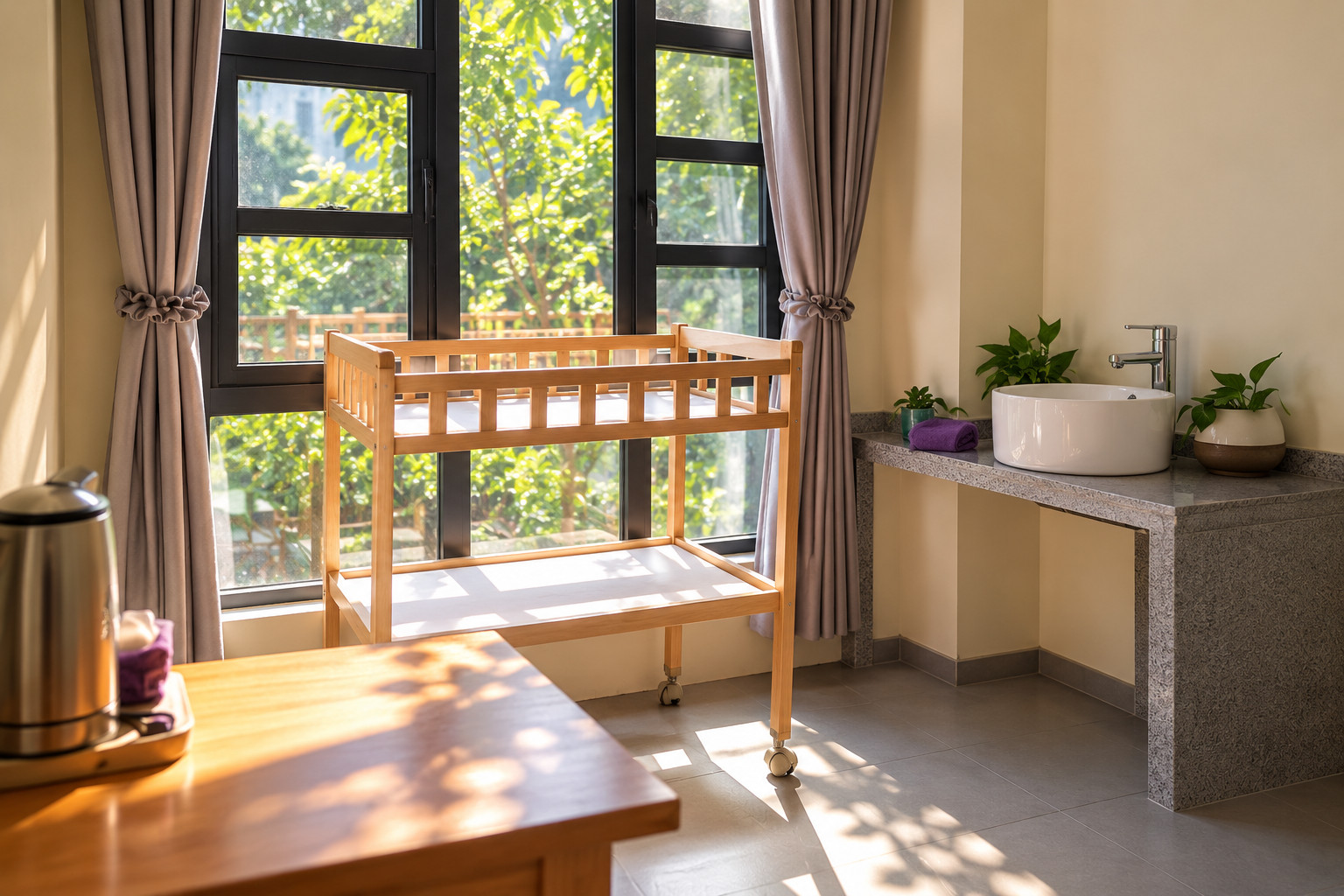
Cover: AI illustration: Nursing-room interior inspired by historical Fuling Jiangdong Riverside Park context. Approximate scene inspired by a historical photograph; not a current photograph or verified service. A nursing room and ordinary washbasins are distinct from a family toilet. No current access, changing equipment or individual suitability is verified.
Historical visual reference: Hualong News / 重庆市城市管理局
Approximate scene inspired by a historical photograph; not a current photograph or verified service. A nursing room and ordinary washbasins are distinct from a family toilet. No current access, changing equipment or individual suitability is verified.
Planning family toilets and changing facilities in Chongqing in 2026 means identifying the exact room before you need it. A municipal report confirms combined facilities at 3 Line 10 stations, including Jiangbei Airport T3 station. That is a useful starting point, but a nursing-room sign does not establish every toilet, changing or access feature.
A workable outing includes somewhere to change a baby, somewhere a carer can assist a child or adult, and a way to reach those spaces without an unexpected barrier. These may be separate rooms. A map showing a public toilet is not a complete answer to all of those needs.
This guide provides named research leads and practical questions. It does not offer a live toilet map or certify a facility as suitable for a particular family. Ask about the function you need, the location within the building or station, and the access arrangements during your intended visit.
Ask for the right type of room
Chongqing’s urban-management report dated 27 June 2022 explains the role of 第三卫生间, commonly translated as “third toilet.” It helps when a person needs assistance from a family member of another gender. The report’s historical citywide totals do not establish coverage or opening status in 2026.
For a family enquiry, distinguish a toilet from a nursing room and a changing surface. 厕所 or 卫生间 means toilet; 母婴室 is a mother-and-baby or nursing room; 婴儿护理台 identifies a baby-care or changing platform. These terms help you ask, but signage is not a guarantee of every fitting inside.
If you need a seated toilet, say so. If a father needs to accompany a daughter, or an adult needs a carer to enter with them, explain that requirement. If a wheelchair, pram or another piece of equipment must enter, ask about the route and room layout as well as the door.
An accessible toilet should not be assumed to contain an adult-sized changing bed or a hoist. The Changing Places consortium’s equipment explanation, read on 1 October 2026, distinguishes adult changing equipment from standard accessible and baby-changing facilities. This explains the functional difference; it does not establish a Changing Places-certified facility in Chongqing. Where those features are essential, request specific measurements, equipment information and current confirmation before planning a long stop. It is more useful to know that a facility cannot meet your needs than to receive an encouraging but ambiguous answer.

AI illustration: Ordinary restroom washbasins. Approximate scene inspired by a historical photograph; not a current photograph or verified service. A nursing room and ordinary washbasins are distinct from a family toilet. No current access, changing equipment or individual suitability is verified.
Historical visual reference: China Metro / 重庆轨道交通
Use the three Line 10 stations as enquiries, not universal promises
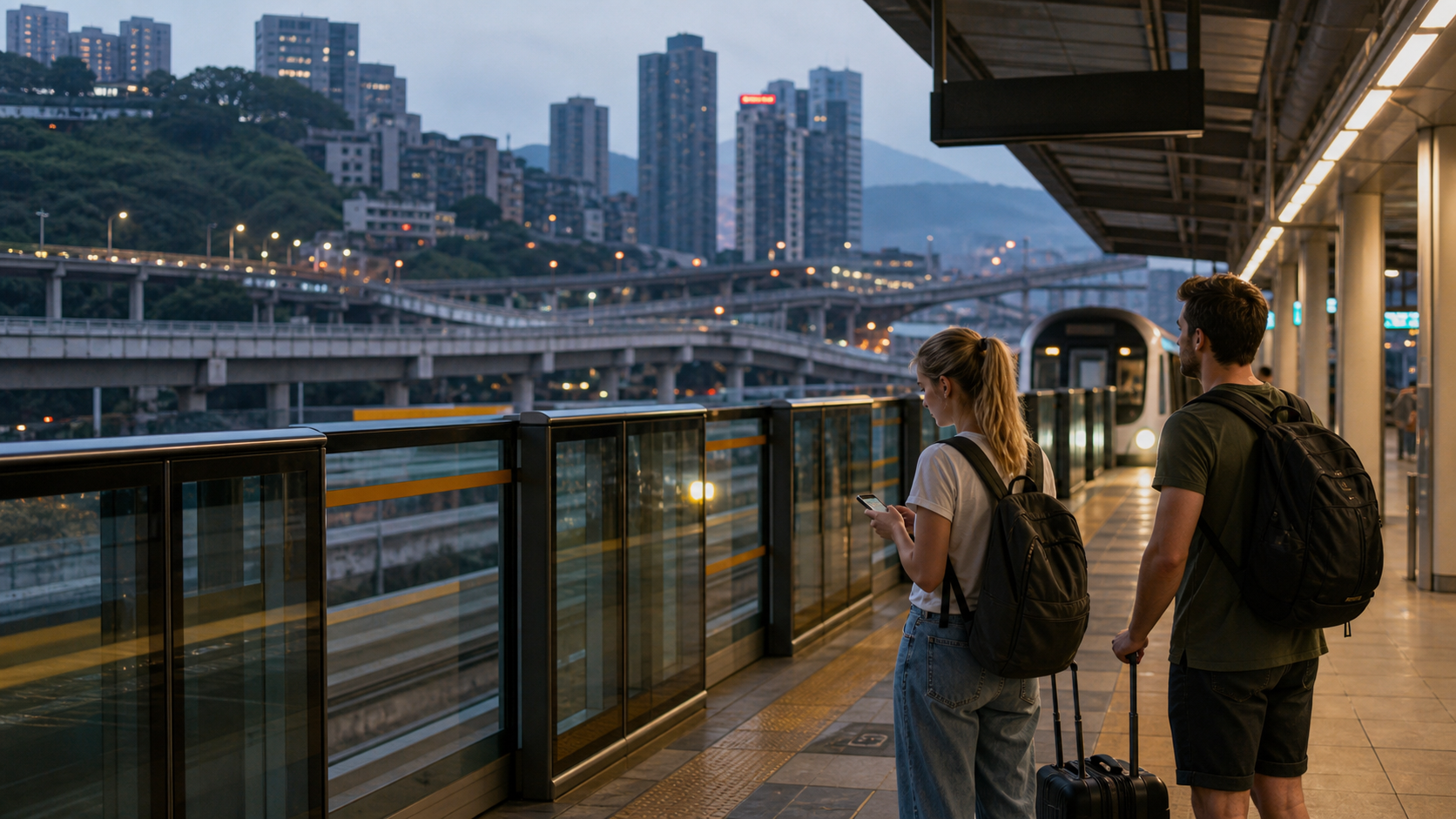
The municipal report published on 31 July 2026 names Chongqing North Station North Square, Jiangbei Airport T3 Terminal and Central Park West stations on Line 10. It reports upgraded spaces combining accessible toilets and mother-and-baby facilities, including a mobile wooden baby-care bed. This is specific local evidence, rather than a claim about the entire network.
Save the station names: 重庆北站北广场, 江北机场T3航站楼 and 中央公园西. At the service counter, show the name and ask where the combined room is. Check whether it is on the paid or unpaid side, whether staff need to unlock it and whether the route from your current platform uses steps or a lift.
Jiangbei Airport T3 Terminal station is the metro station. Its facility report does not identify every nursing room inside the airport terminal. Similarly, the North Square metro station should not be confused with every waiting area in Chongqing North railway station. Moving between linked buildings can involve separate security, ticketing and access boundaries.
If your route already passes a named station, it can be sensible to investigate the room before boarding. Do not add a long transfer solely because a report mentions a facility, without first confirming it is available. This research did not establish current unlock arrangements, queues, cleaning closures or the suitability of the care bed for an individual child.
Our metro guide supplies network context. Treat it as transport guidance, not as a facility inventory.
Check what an older renovation report actually proves
A 20 December 2024 municipal report describes toilet renovations at 20 stations, including Xiaoshizi and Grand Theater. It mentions wall-mounted baby-care platforms and accessibility improvements. It does not provide a room-by-room map or establish that every toilet at each station has the same equipment.
That distinction matters around a sightseeing day. Xiaoshizi may appear in a route to central attractions, but a family cannot infer the location of a changing table simply from the station name. Ask staff which toilet has the platform and whether you can reach it from your current side of the gates.
If a room is locked, seek the responsible staff member rather than assuming it is out of service or trying another door at random. Ask whether the closure is temporary and where the nearest usable alternative is. A replacement elsewhere in the station may have a different access route, so check that route before moving the whole family.
Keep the answer practical: “Which room has the baby-changing platform, and can we reach it without leaving the paid area?” A photograph of a sign or a written direction can be easier to follow than a vague point down a corridor. Where access requires leaving the station, ask how that affects your ticket before passing through the gates.
Do not treat a renovation announcement as evidence of cleanliness on arrival. Inspect the actual surface and fittings, and use another arrangement if the equipment appears damaged or unsuitable. Staff can explain available alternatives, but the family still needs to decide whether the space meets its requirements.

AI illustration: Nursing-room sink and curtains inspired by historical Fuling Jiangdong Riverside Park context. Approximate scene inspired by a historical photograph; not a current photograph or verified service. A nursing room and ordinary washbasins are distinct from a family toilet. No current access, changing equipment or individual suitability is verified.
Historical visual reference: Hualong News / 重庆市城市管理局
At Jiangbei Airport, identify the security side and gate area
The CAAC interpretation of its airport-toilet guidance, dated 18 November 2022, discusses infant, family and accessible facilities, as well as clear wayfinding. It recommends considering nursing rooms near toilets. This is design guidance; it is not a confirmed room list for Chongqing Jiangbei Airport.
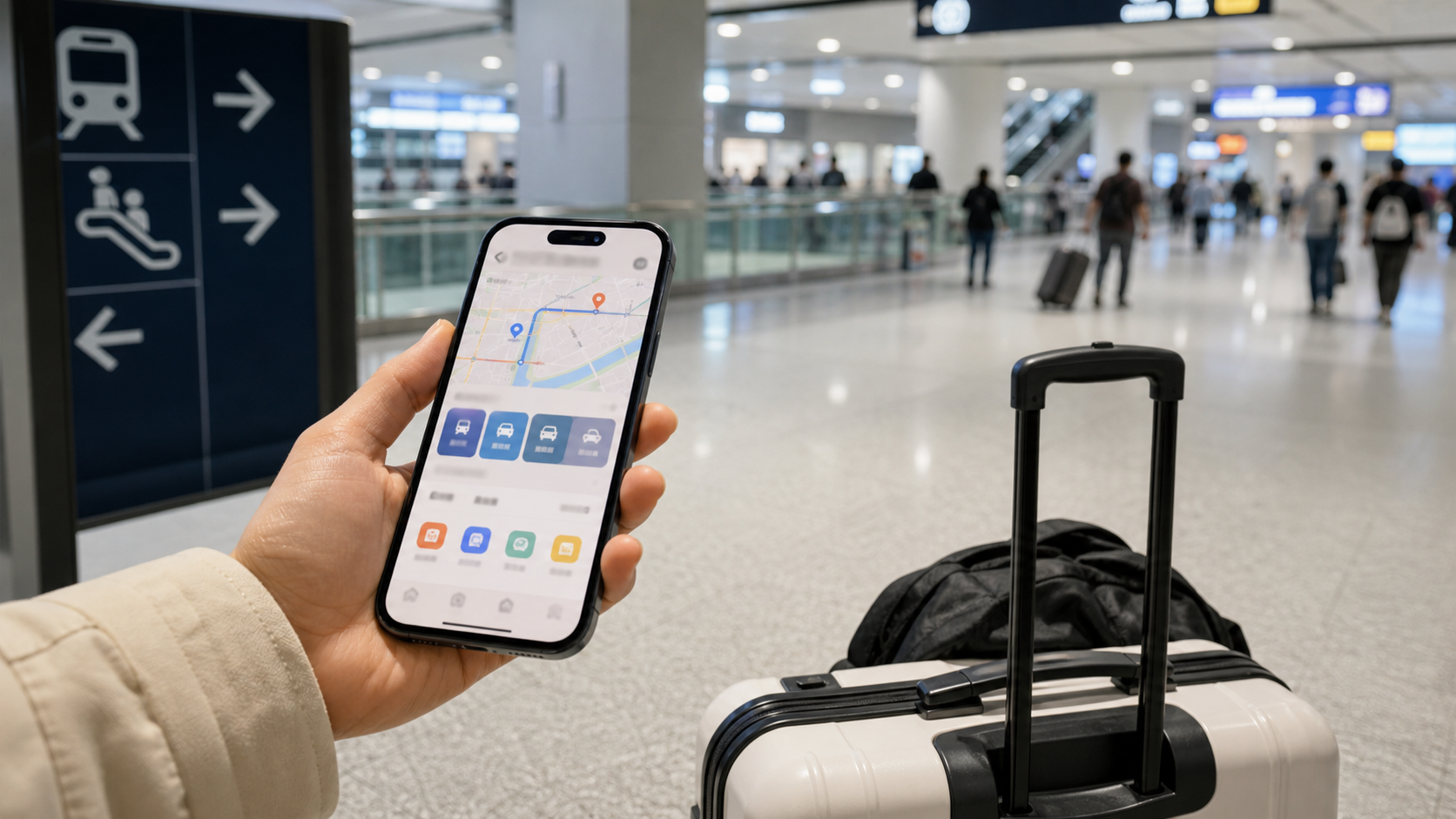
Before a flight, ask the airline or airport information staff about the room nearest your actual check-in area or gate. Specify whether you need a changing surface, private feeding space, a seated toilet, or a room allowing a carer to accompany someone. Ask whether the facility is before or after security and whether it is within the part of the terminal your ticket allows you to use.
A room elsewhere in a large terminal may be unusable for a short connection. Ask for the nearest suitable option on your onward route, and confirm the boarding time before taking a detour. If your gate changes, revisit the plan instead of walking back toward a facility you located earlier.
This guide does not publish exact airport nursing-room locations because the airport pages did not provide a reliably readable current inventory during this check. That gap should not be filled with a remembered gate number or an image from an older terminal layout. Use current information desks and terminal signs for the final direction.
For travel between the airport and the city, see the airport-transfer guide. Deal with the immediate care need before starting an unfamiliar transfer when that is practical for your family.
Build care stops into a realistic sightseeing route
The 28 September 2026 Yuzhong police notice warns of National Day traffic controls around Jiefangbei, Hongya Cave and other central areas. Some named controls are applied as needed within 16:00–24:00. A family’s fallback should not depend on a taxi reaching the exact riverside door it used earlier.
Before a longer walk, identify a staffed building on the route where you can ask about suitable facilities. Confirm its opening period and the room location, rather than assuming every shopping centre or attraction offers the same setup. If entry needs a ticket, ask whether you can access the room before deciding to buy admission.
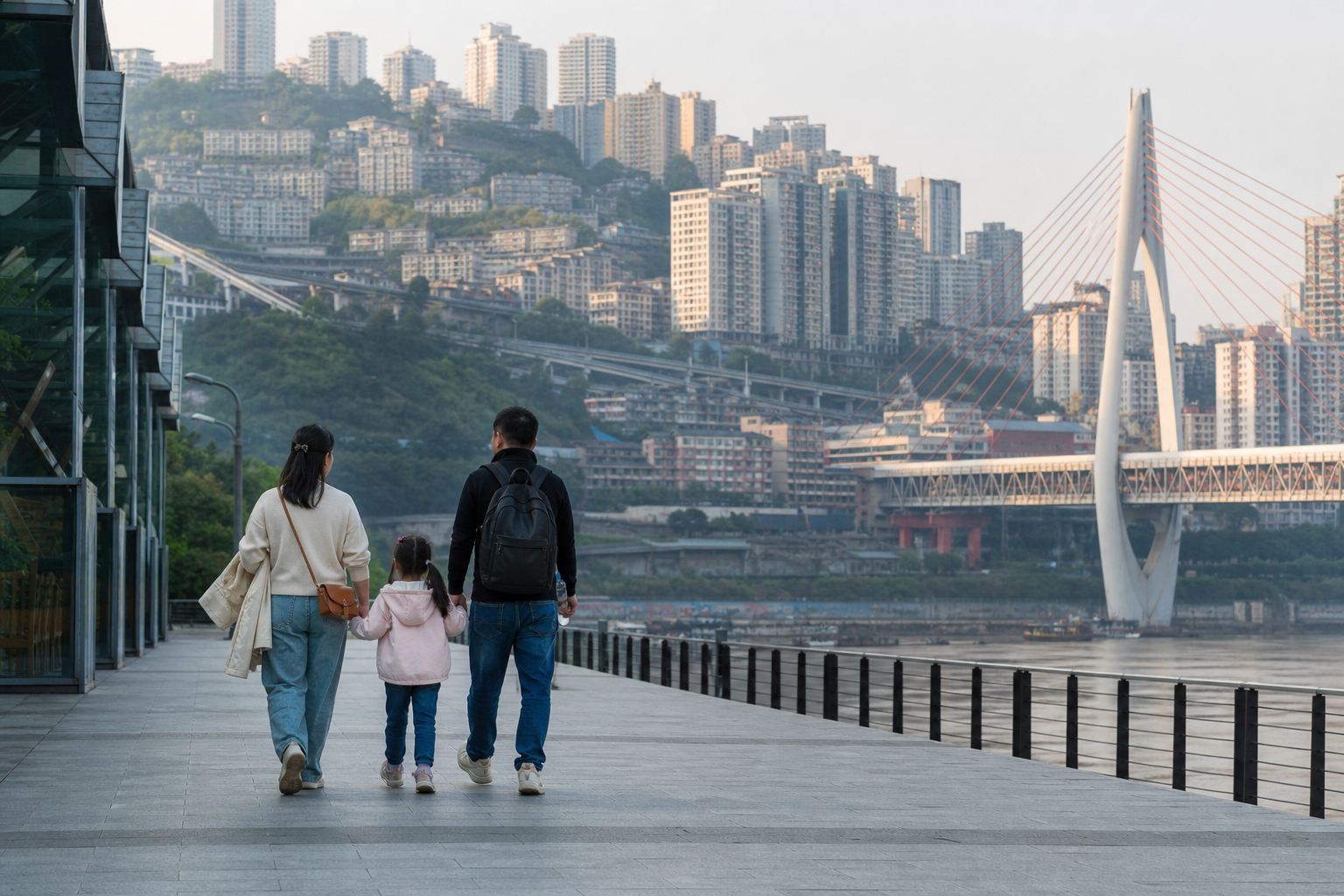
Choose a care stop before a section with substantial walking or a difficult return. Keep the facility and a reasonable alternative saved under the venue’s Chinese name. If your family uses a pram, include the lift route; if someone needs assisted toileting, include the room’s functional requirements. A nearby point on a flat map can still involve an awkward change of level.
Avoid scheduling every meal, attraction and transfer so tightly that a locked room or a queue becomes a crisis. Leave room to shorten the outing. That is a planning choice, not a claim that a particular facility is always busy or that a certain detour always takes a fixed number of minutes.
Our family-trip guide helps with broader pacing. Add confirmed facilities to your own version of the day rather than using a generic list as a guarantee.

Original editorial planning card; the complete text is also provided below.
Original editorial diagram
Check access before a detour
- Identify the exact building and room
- Check the ticket or security side
- Ask about hours, unlocking and step-free access
A facility report is a lead to verify.
Carry a compact kit and leave the room ready for its next user
The 2026 Line 10 upgrade report establishes particular installed facilities, including care beds, but does not promise a supply of nappies, wipes, changing mats or spare clothes. Pack the items your family normally uses rather than expecting a public room to provide consumables.
Keep the kit easy to reach without unpacking a suitcase on a toilet floor. Separate clean items from used clothing, and bring a bag for anything that needs to leave with you. Follow the venue’s disposal instructions. A private feeding area should not become a storage area for other travelers’ luggage while someone is trying to use it.
Check the equipment’s instructions and condition before use. Stay with the child, and do not improvise an adult-changing solution on baby equipment. If you need hands-on assistance, discuss who will provide it before the outing; the presence of a service counter is not a promise that staff provide personal care.
Respect that a combined room may be needed by a disabled traveler, an older person or another family. Use the space for its intended purpose and finish without unnecessary delay. If an essential fitting is broken or supplies are missing, tell the responsible staff what is wrong and where, without photographing or exposing another user.
When giving another traveler a recommendation, include when you used the room and what it actually contained. “Changing platform available in this room today” is more informative than “the whole station is family-friendly.” That level of precision helps the next family decide which questions still need answering.

Original editorial planning card; the complete text is also provided below.
Original editorial diagram
Check the fittings you need
- Distinguish toilet, nursing and changing spaces
- Ask separately about adult beds or hoists
- Inspect the equipment and confirm an alternative
A baby changing surface is not equipment for adults.
About This Guide
Sources were read on 1 October 2026. Named installations come from dated municipal reports; airport design guidance is kept separate from local availability. The checklist is original planning advice. No facility visit, hygiene assessment, accessibility certification or human review has been performed for this guide.
Frequently Asked Questions
Q: What does “third toilet” mean in Chongqing? A: Chongqing’s municipal guidance describes 第三卫生间 as a room helping people who need assistance, including from a family member of another gender. Its name does not establish a baby platform, adult changing bed or hoist.
Q: Which Chongqing metro stations have recently reported combined care rooms? A: A July 2026 report names three Line 10 stations: Chongqing North Station North Square, Jiangbei Airport T3 Terminal and Central Park West. Ask station staff about the exact room and current access procedure.
Q: Does the Jiangbei Airport T3 station room sit inside the terminal? A: The July 2026 announcement concerns Chongqing’s Jiangbei Airport T3 station on Line 10. It does not identify the airport terminal’s nursing rooms or establish which security side any terminal facility occupies.
Q: Are baby-changing supplies provided in Chongqing public rooms? A: This guide did not verify a standard supply of nappies, wipes or mats in Chongqing facilities. Bring your usual care kit and ask about the equipment you specifically need.
Q: Can I assume every accessible toilet has an adult changing bed? A: No. In Chongqing, verify an adult changing bed, hoist, dimensions and access separately; a wheelchair symbol or baby-care platform does not establish those features.
Traveler comments
Share a recent experience or ask a practical question about this guide.